
Nursery
My speech and language is assessed on-entry to nursery using “WellComm”. Progress is tracked closely by my teachers and I am assessed again at three monthly intervals. If there are concerns about how my speech and language are developing I will be given more support by outside agencies. My parents or carers will be informed of my level of development and ways they can support me at home.
I will enjoy listening to longer stories and can remember much of what happens. I use a wider range of vocabulary. I understand a question or instruction that has two parts. I understand “why” questions. I sing many songs. I know many rhymes, be able to talk about familiar books, and be able to tell a long story. I will develop my communication but may continue to have problems with irregular tenses and plurals. I may have problems saying some sounds and some multisyllabic words. I can use longer sentences of 4-6 words. I am able to express a point of view and debate when I disagree. I can start a conversation with an adult or a friend and continue it for many turns. I use talk to organise myself and my play. I can use sentences joined up with words like “because”, “or”, “and”.
Autumn
Enjoy listening to longer stories and can remember much of what happens.
Pay attention to more than one thing at a time, which can be difficult.
Use a wider range of vocabulary.
Understand a question or instruction that has two parts.
Understand “why” questions.
Spring
Sing a large repertoire of songs.
Know many rhymes.
Be able to talk about familiar books, and be able to tell a long story.
Summer
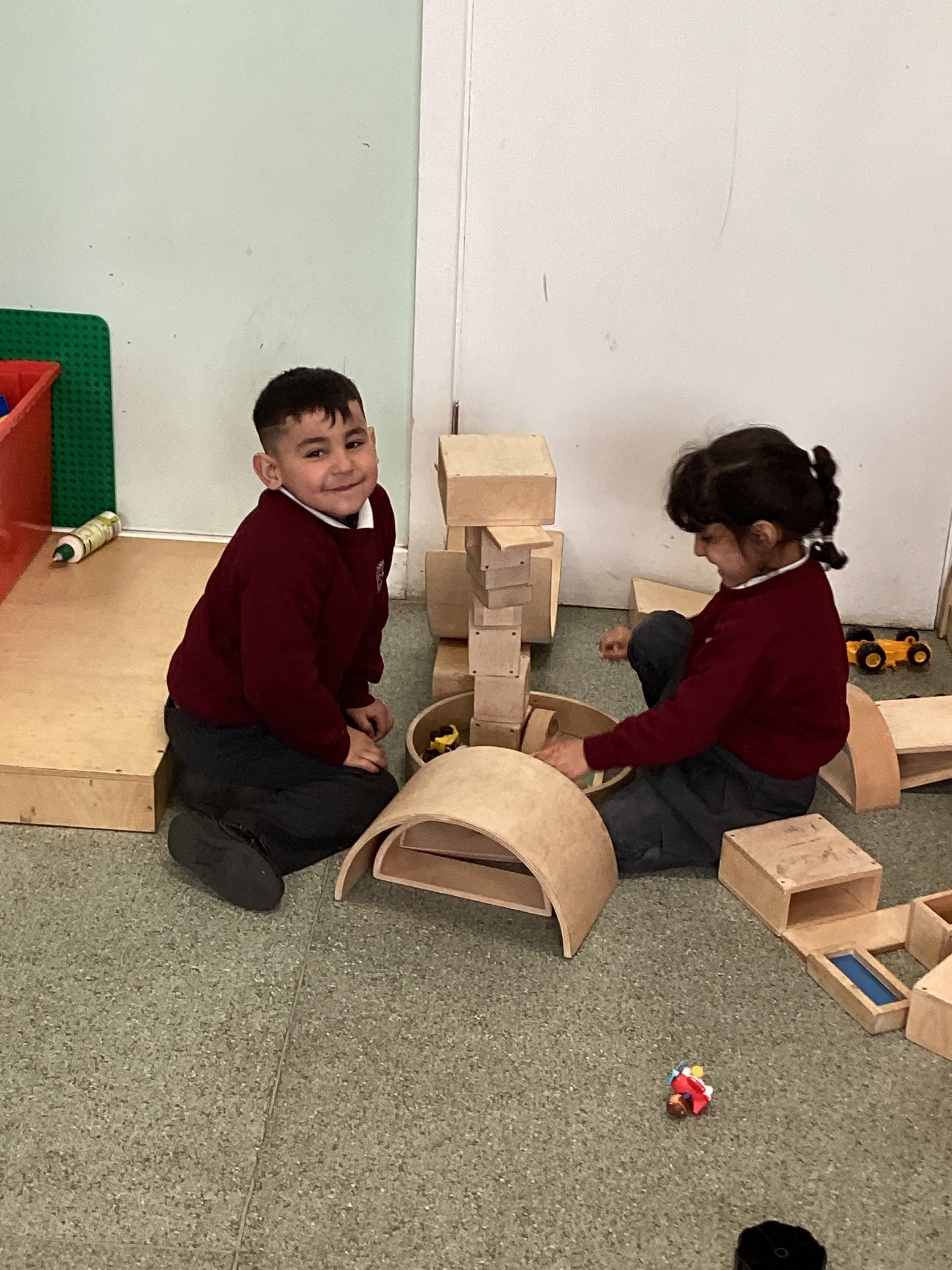
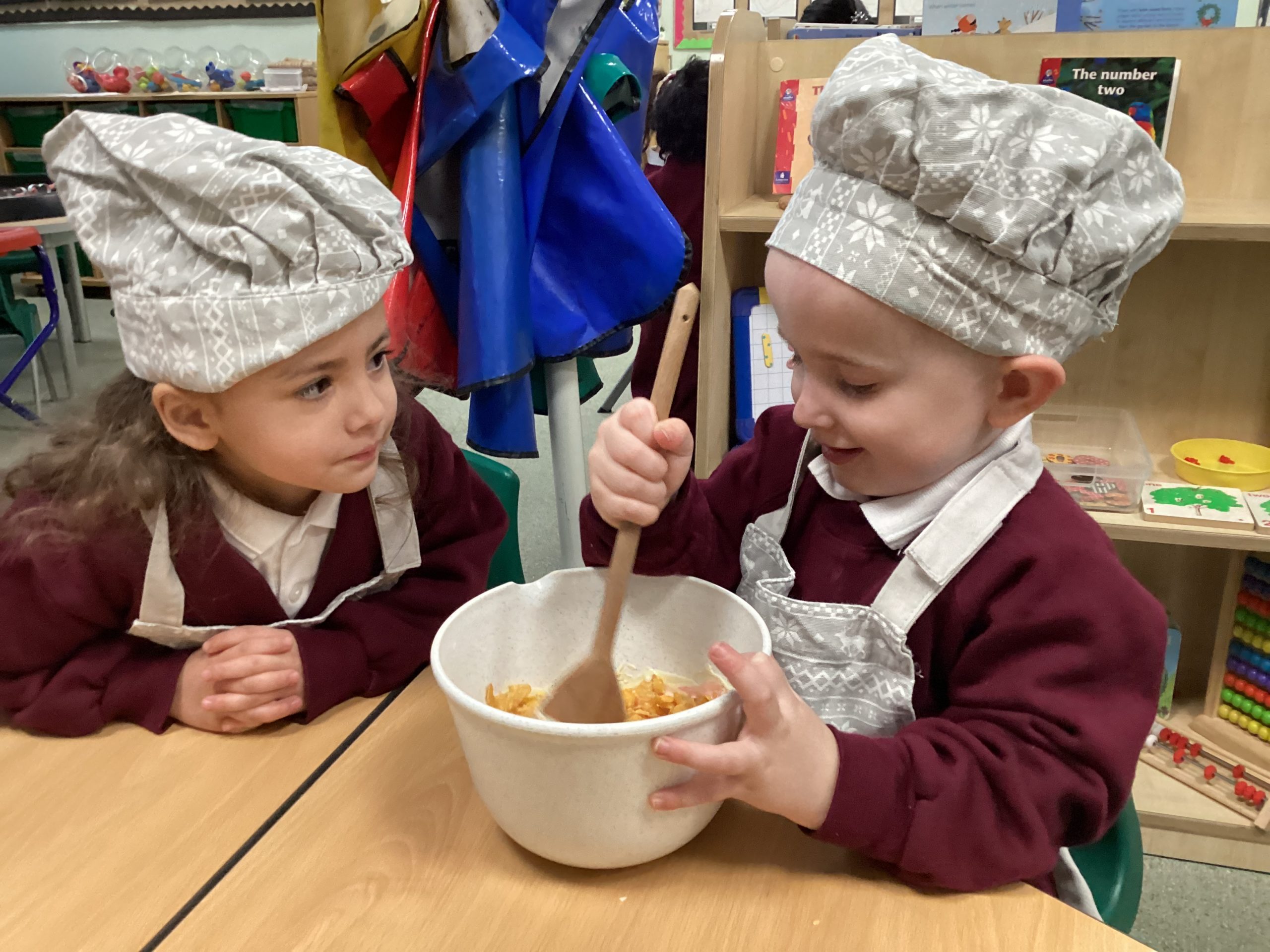
Use longer sentences of four to six words.
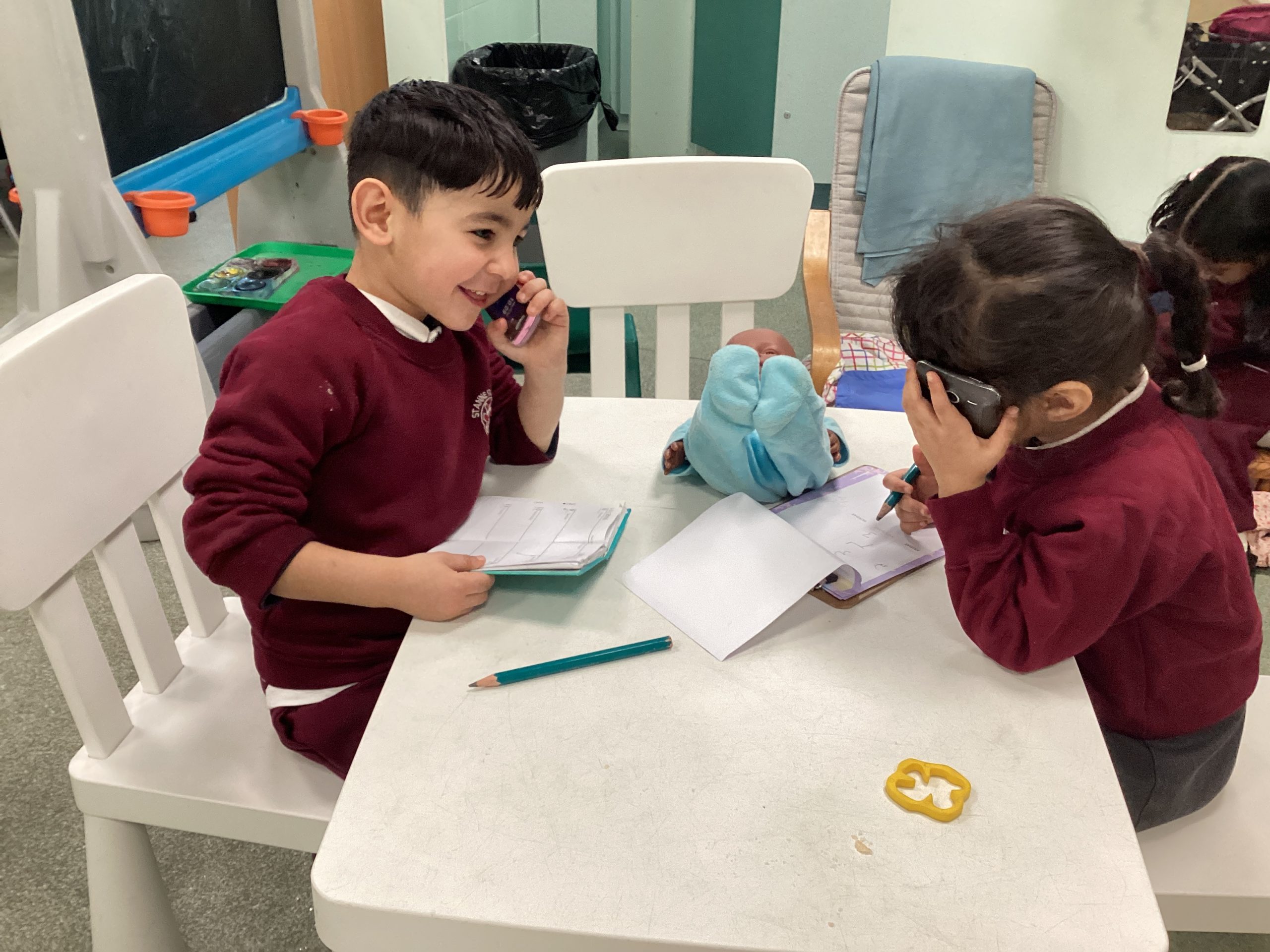
Start a conversation with an adult or a friend and continue it for many turns.
Be able to express a point of view and to debate when they disagree with an adult or a friend, using words as well as actions.
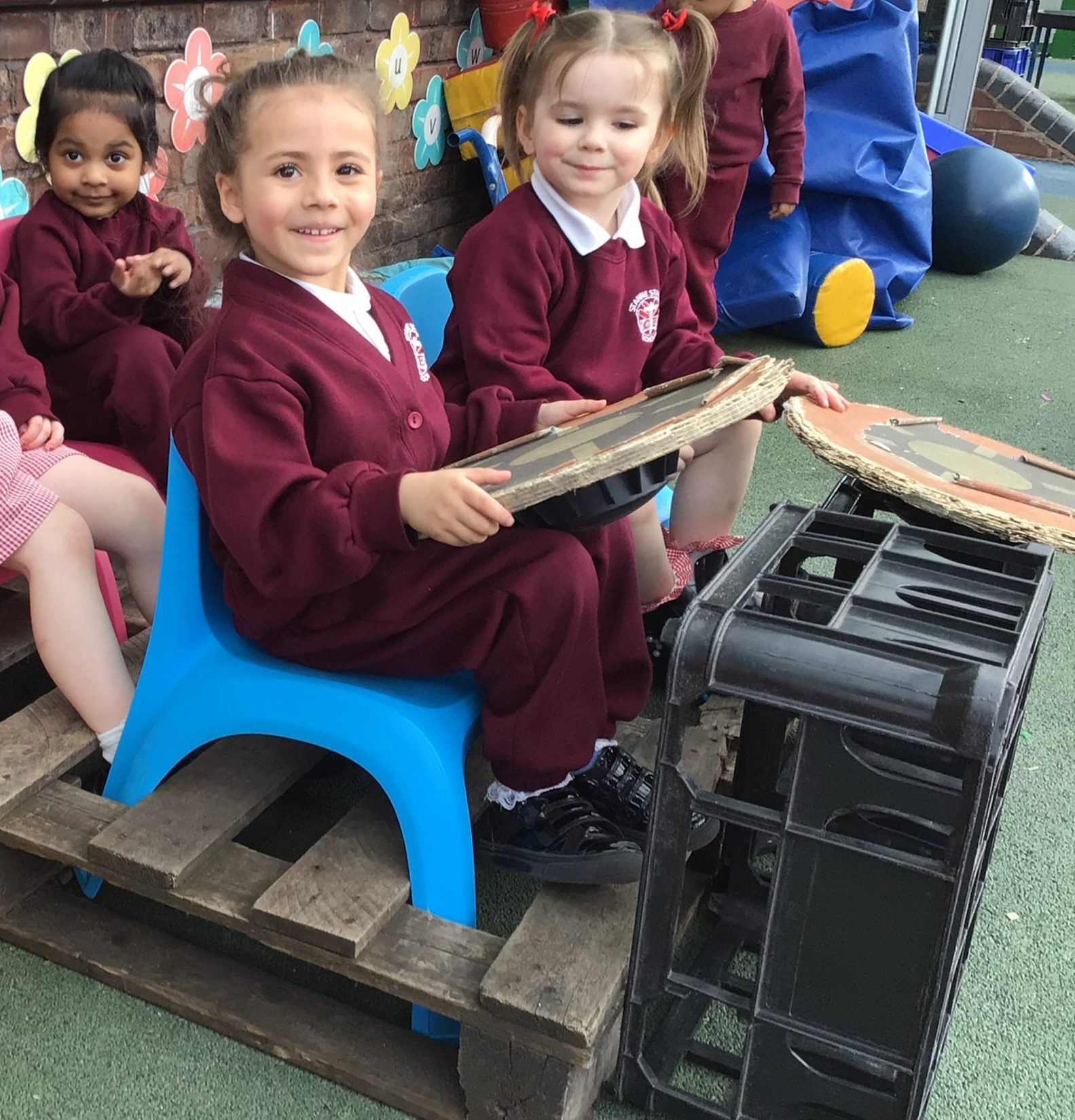
Use talk to organise themselves and their play.
 |
 |
 |
 |
 |
 |
 |
|
Reception
On-entry to Reception, WellComm will continue to be used to monitor the progress of speech and language for all children. Extra support will be put in place as appropriate for each child’s needs to ensure maximum progress is made. In the spring term “NELI” (Nuffield Early Language Intervention) will be used to reassess and target children who would benefit from this 20 week intervention aimed at improving the language skills of reception age children who need it most.
I understand how to listen carefully and why listening is important. I will learn new vocabulary and use it through the day in different contexts. I will questions to find out more and to check my understanding. I will use well-formed sentences. I will use talk to help work out problems and organise my thinking and activities. I will develop social phrases. I will engage in storytimes. I will be able to retell a story using exact repetition and some in my own words. I will learn rhymes, poems and songs. I will engage in non-fiction books developing a deep familiarity with new knowledge and vocabulary.
The level of development a child should be expected to have reached by the end of the EYFS is defined by the Early Learning Goals.
ELG: Listening, Attention and Understanding
Children at the expected level of development will:
• Listen attentively and respond to what they hear with relevant questions, comments and actions when being read to and during whole class discussions and small group interactions.
• Make comments about what they have heard and ask questions to clarify their understanding.
• Hold conversation when engaged in back-and-forth exchanges with their teacher and peers.
ELG: Speaking
• Participate in small group, class and one-to-one discussions, offering their own ideas, using recently introduced vocabulary.
• Offer explanations for why things might happen, making use of recently introduced vocabulary from stories, non-fiction, rhymes and poems when appropriate.
• Express their ideas and feelings about their experiences using full sentences, including use of past, present and future tenses and making use of conjunctions, with modelling and support from their teacher.
Autumn Term
Listening, Attention and Understanding
Children in Reception will be learning to:
- Understand how to listen carefully and why listening is important.
- Listen to and talk about stories to build familiarity and understanding.
- Engage in storytimes.
Speaking
Children in Reception will be learning to:
- Develop social phrases.
- Learn new vocabulary.
At the outset of the autumn term, every child undergoes a WellComm speech and language assessment. WellComm is a comprehensive assessment tool designed to identify children with speech and language difficulties early on, ensuring they receive the appropriate support at the right time. An important part of WellComm is the Big Book of Ideas, which includes over 150 fun, play-based activities that support children’s speech and language development. These activities are age-appropriate and can be used straight away, both in school and at home. The outcome of each child’s WellComm assessment is shared with parents/carers. Each child’s next steps are shared with parents/carers on the Evidence Me app along with simple suggestions on how they can support their child at home. These ideas are taken from the Big Book of Ideas and are designed to fit easily into everyday play and routines.
 |
 |
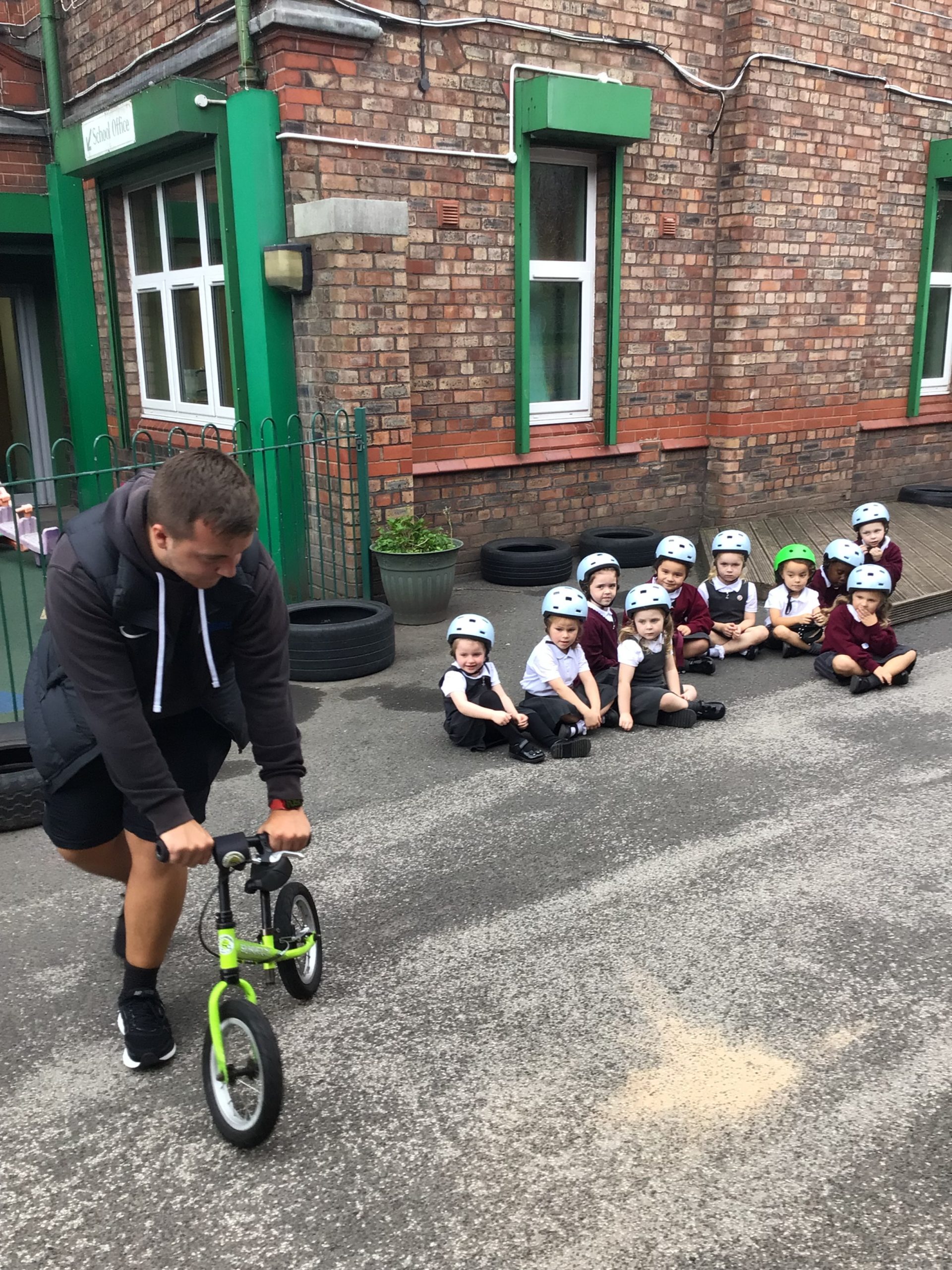 |
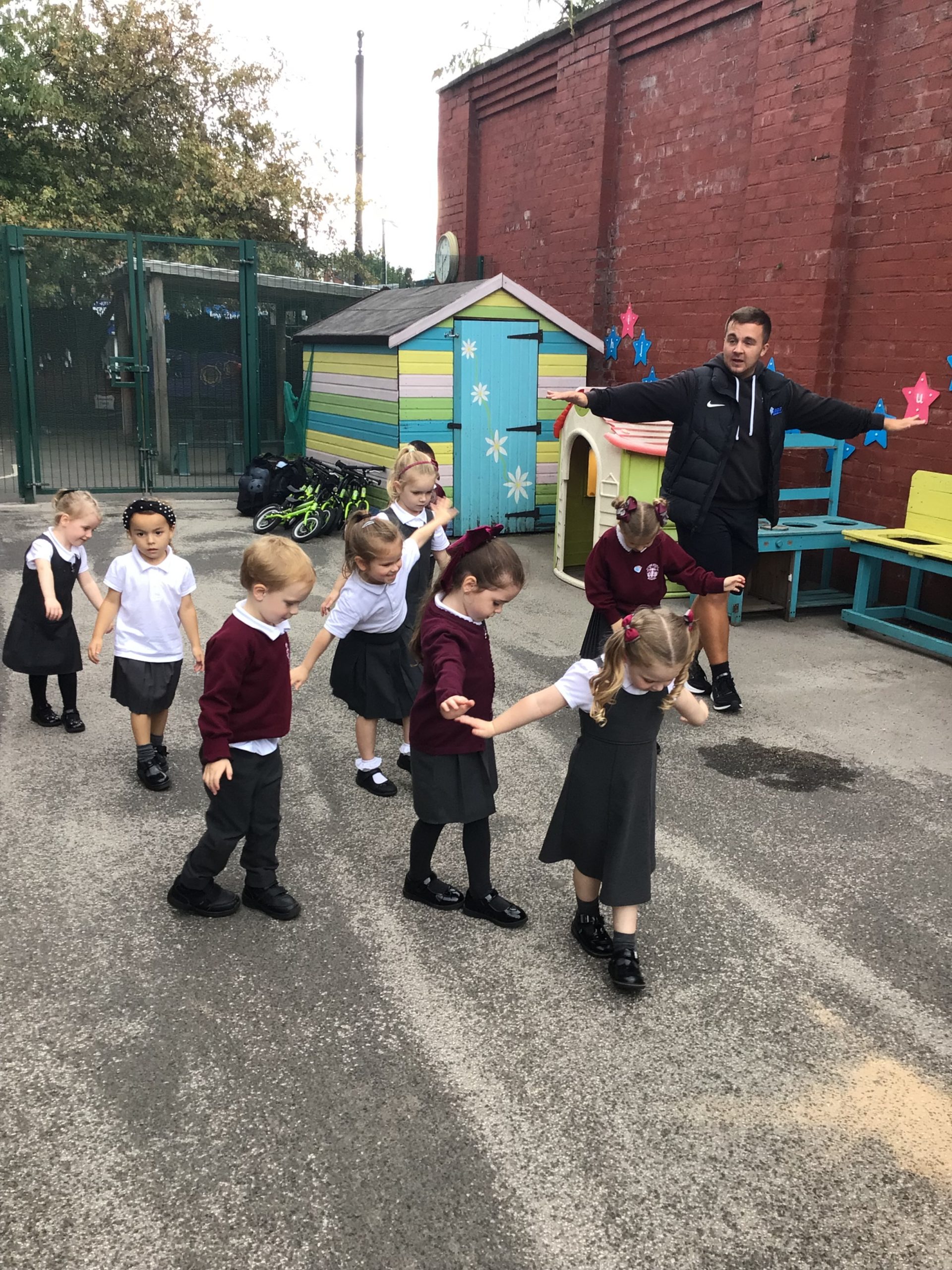
Reception are developing their understanding of how to listen carefully and why listening is important through listening to their Balance-ability coach before applying what they have learnt in the session. Listening is so important especially when learning a new skill. The Bikeability Trust is a charity whose vision is to ensure everyone has the confidence to cycle and enjoy this skill for life. Each Friday the children have the opportunity to benefit from this training.
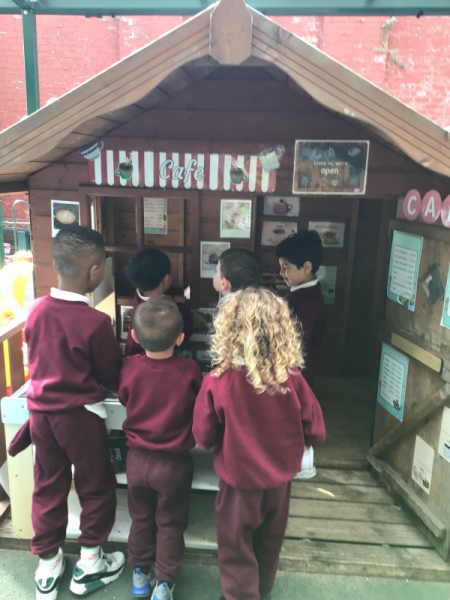
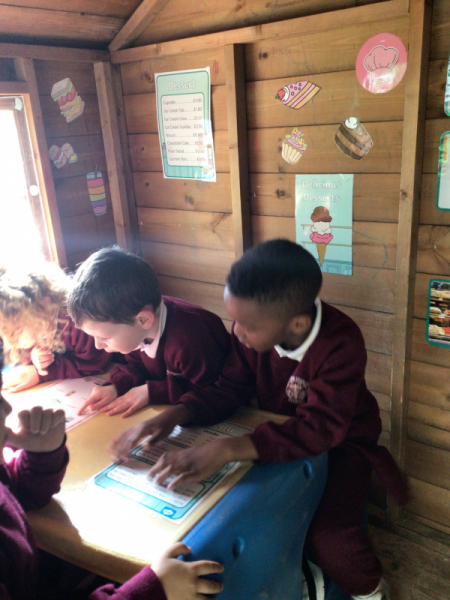
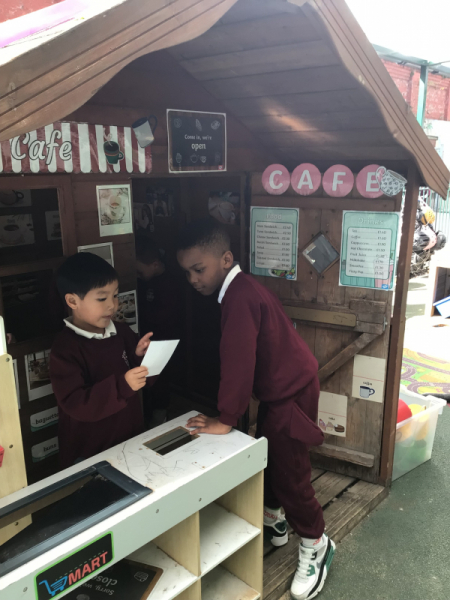
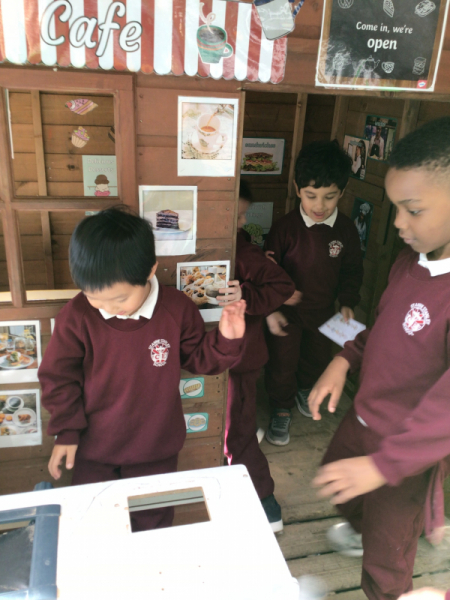
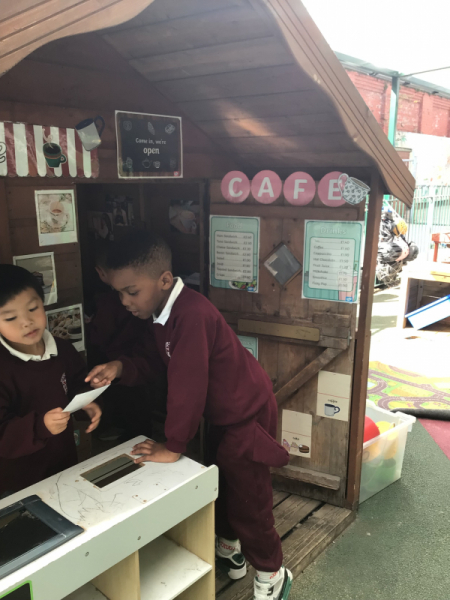
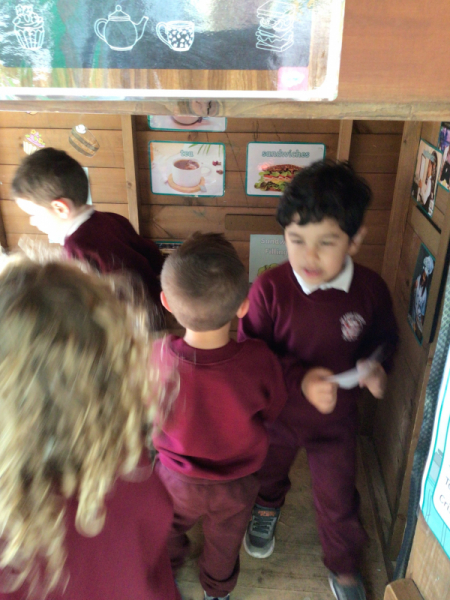
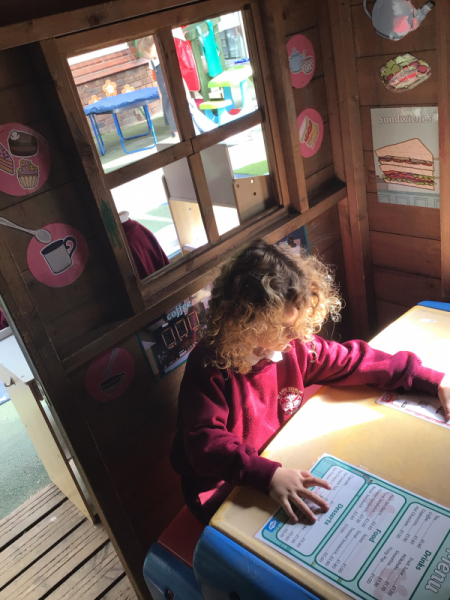
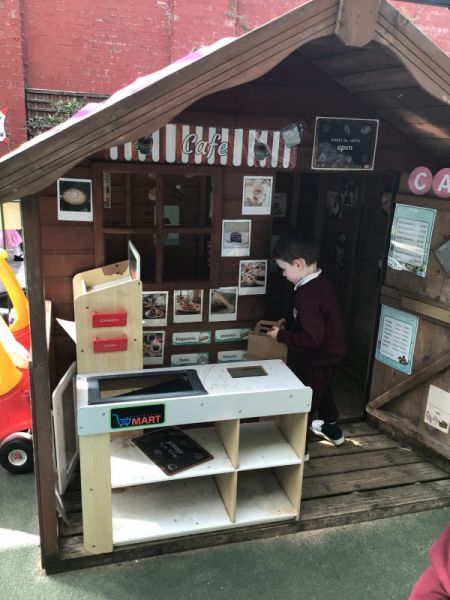
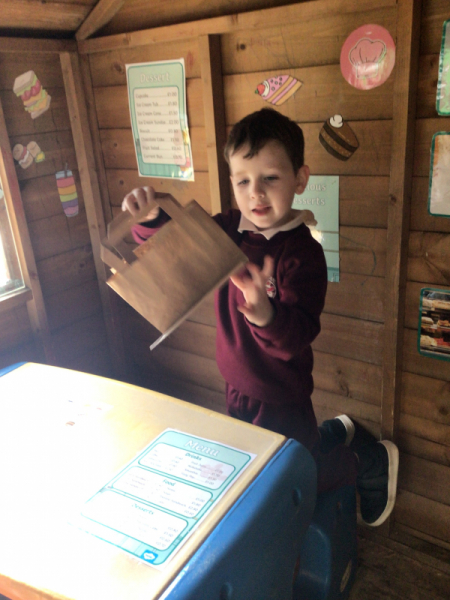
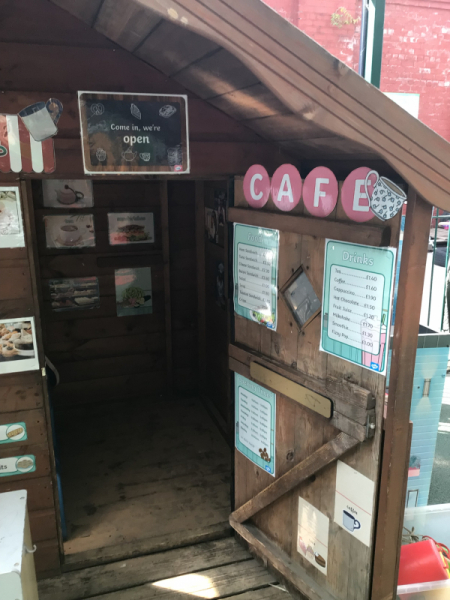
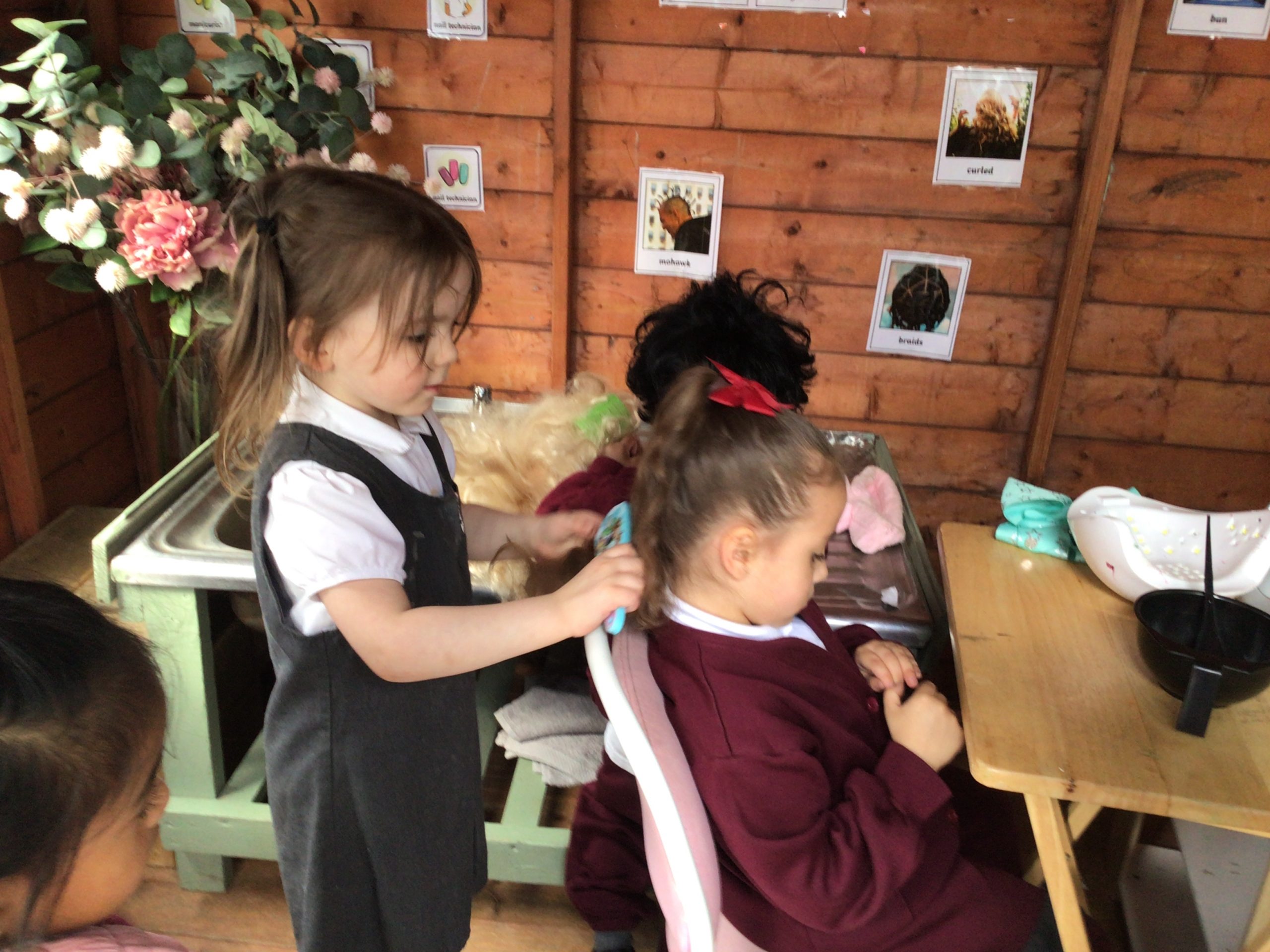
Reception are developing their communication and language skills through developing social phrases in role play.
 |
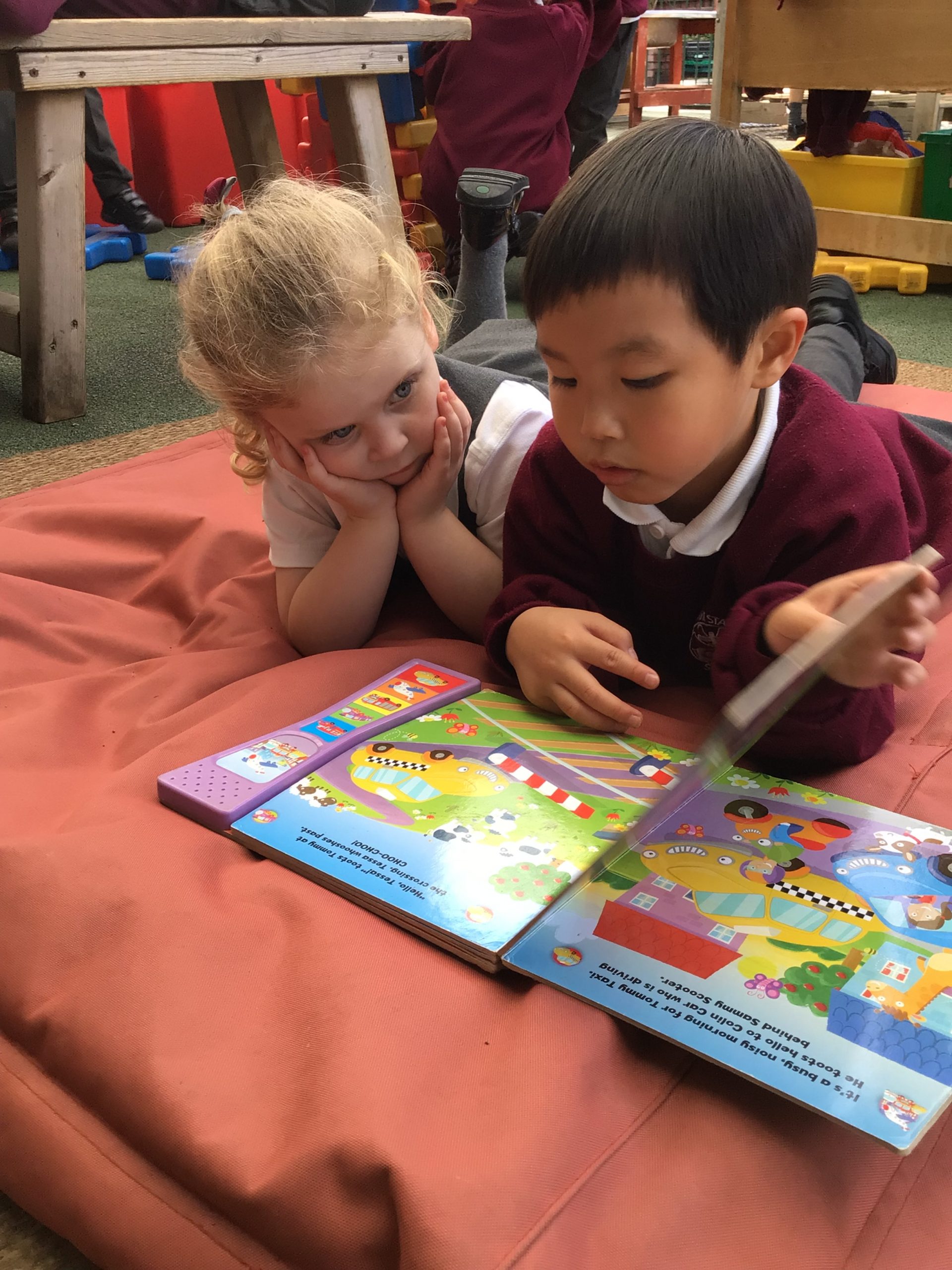 |
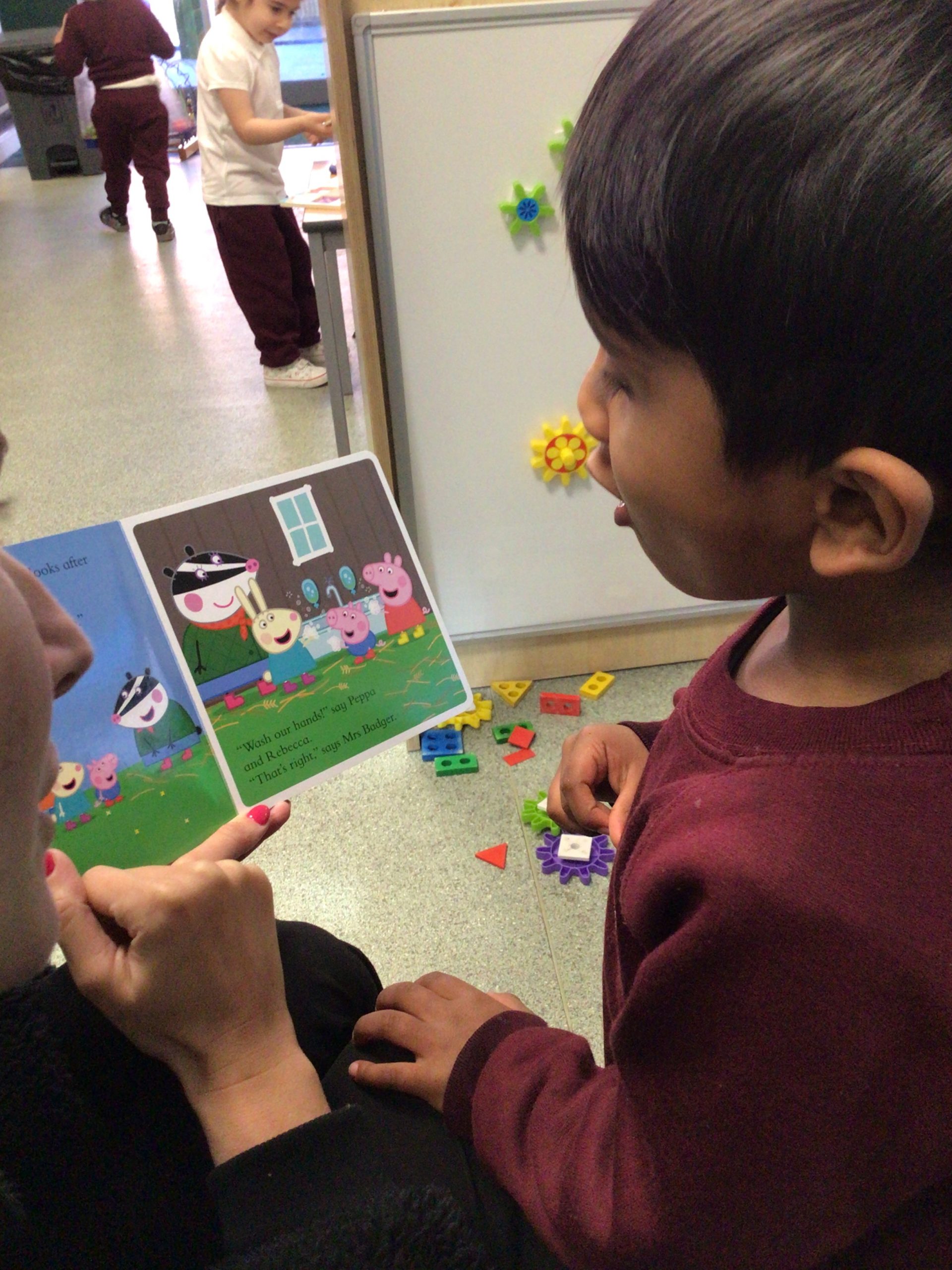
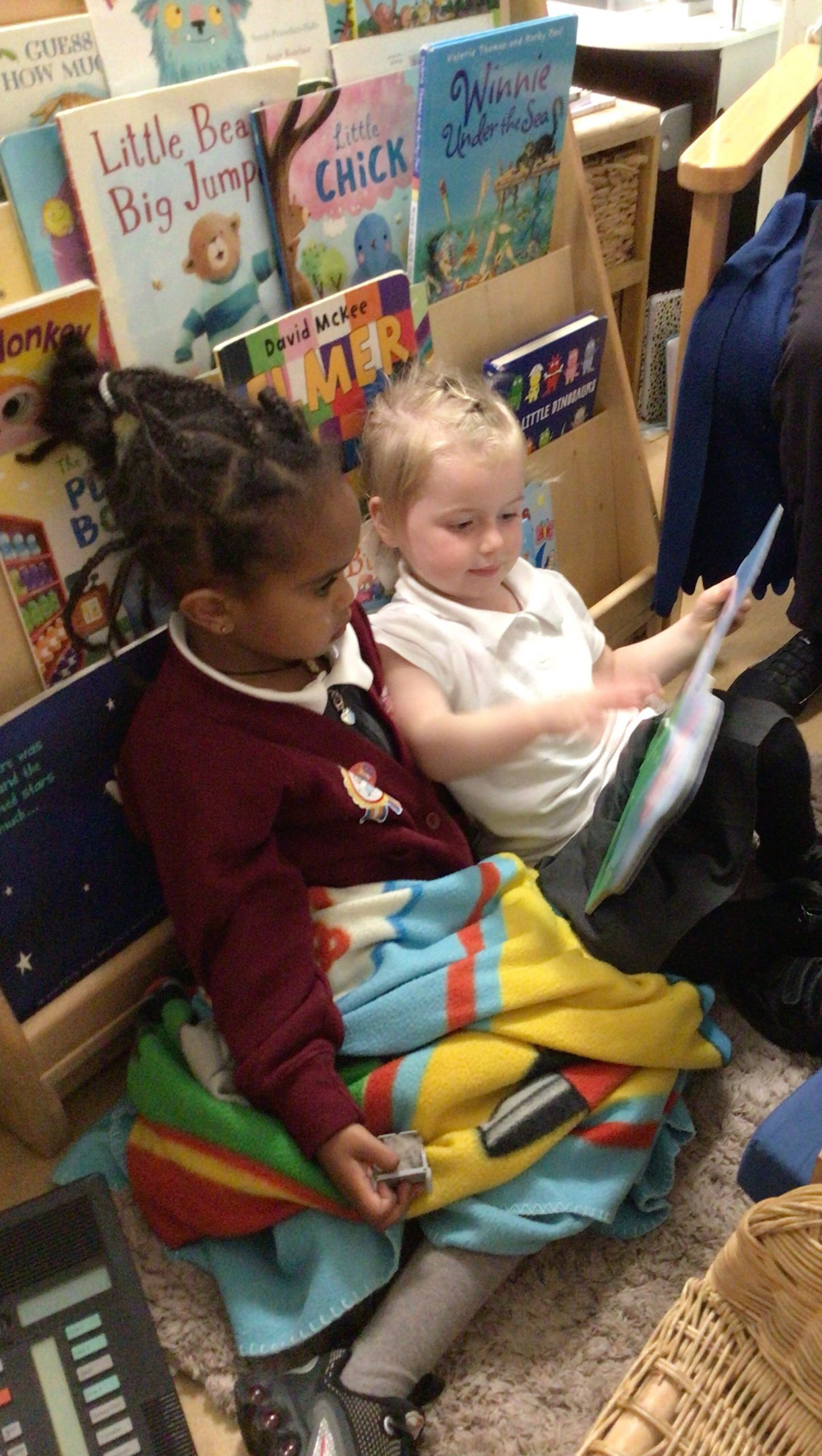
Reception are developing their communication and language skills through engaging in storytimes in our indoor and outdoor reading areas.
Reception are developing their communication and language skills through learning new vocabulary such as customer, till, and change in our outdoor role play area.

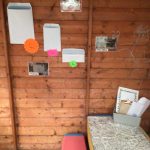
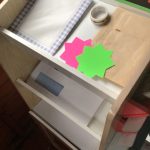
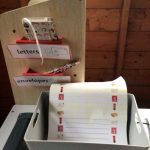
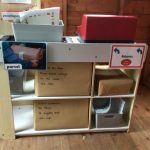
Reception are opening a post office with a focus on developing our communication and language skills through learning new vocabulary such as postal worker, parcel, and delivery in our outdoor role play area.
Spring Term
Listening, Attention and Understanding
Children in Reception will be learning to:
- Listen carefully to rhymes and songs, paying attention to how they sound.
- Ask questions to find out more and to check they understand what has been said to them.
- Engage in non-fiction books.
Speaking
Children in Reception will be learning to:
- Use new vocabulary through the day.
- Describe events in some detail.
- Connect one idea or action to another using a range of connectives- using ‘because’. ‘but’, and ‘and’.
At the outset of Spring 1, every child in Reception undergoes an early language assessment. It is a quick digital assessment used to identify children who may benefit from an early language intervention program i.e. the Nuffield Early Language Intervention. The Nuffield Early Language Intervention (NELI) is an evidence-based program designed to improve the language skills of children aged 4-5 years, particularly those at risk of language difficulties. Research indicates that children participating in the NELI program make substantial progress in their language skills. For instance, children receiving the intervention showed an additional four months of progress in language skills. The program has been particularly beneficial for children from disadvantaged backgrounds, who experienced even greater improvements.
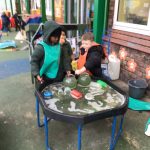
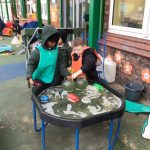
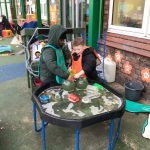
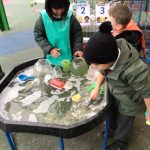
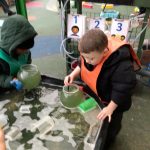
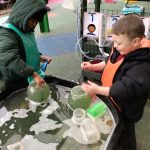
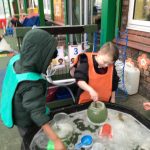
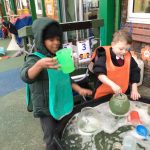
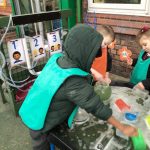
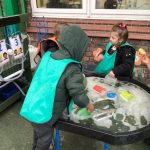
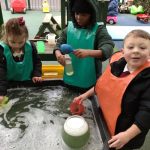
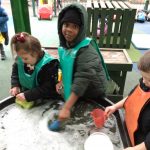
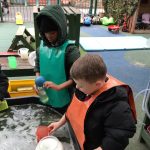
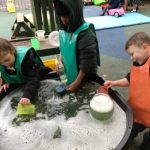
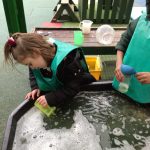
“I’m making Hulk juice and he’s making Ninja Turtle juice. They’re the same but different”. Reception are connecting one idea or action to another using a range of connectives- using ‘because’. ‘but’, and ‘and’.
 |
 |
 |
 |
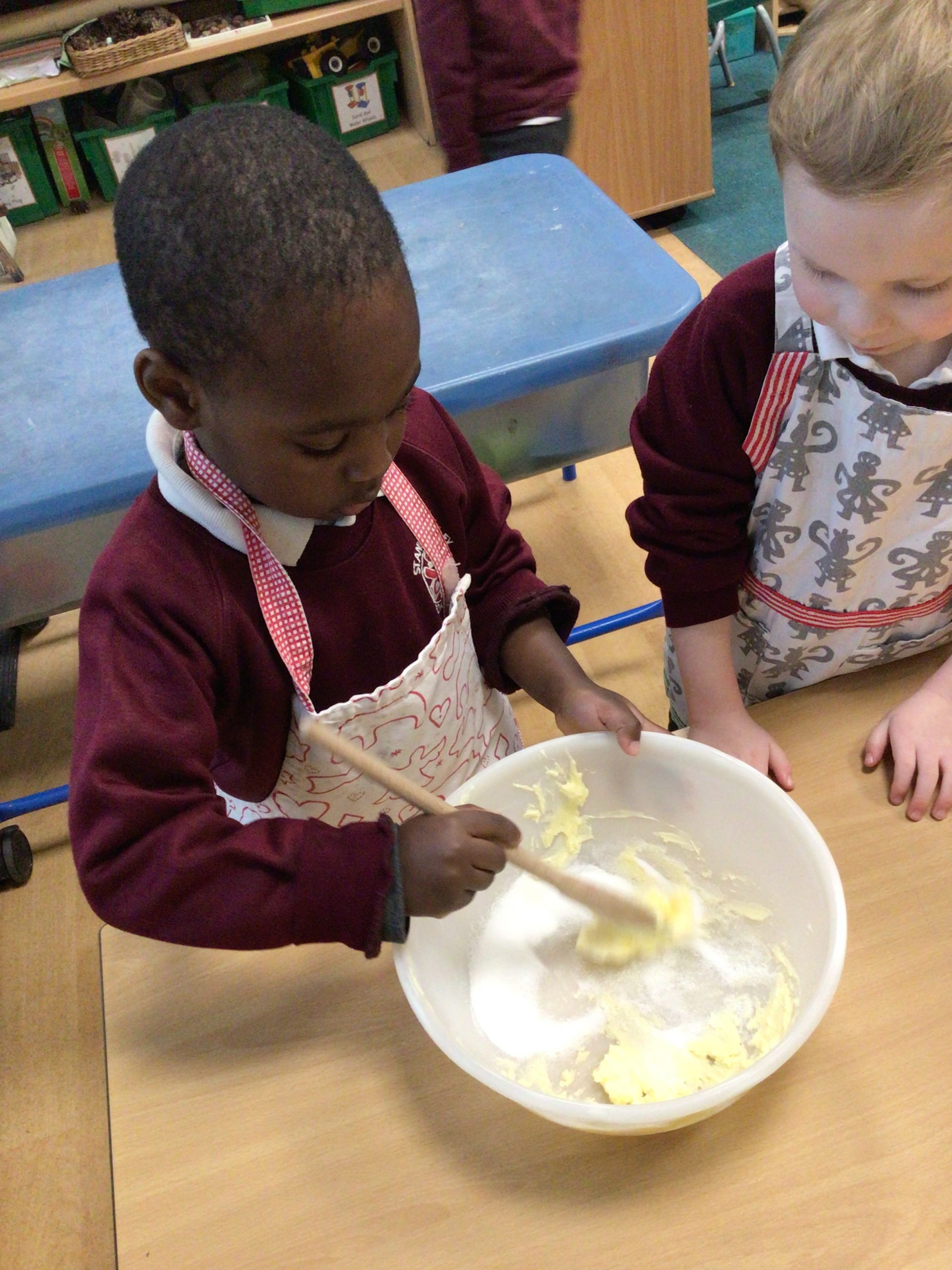
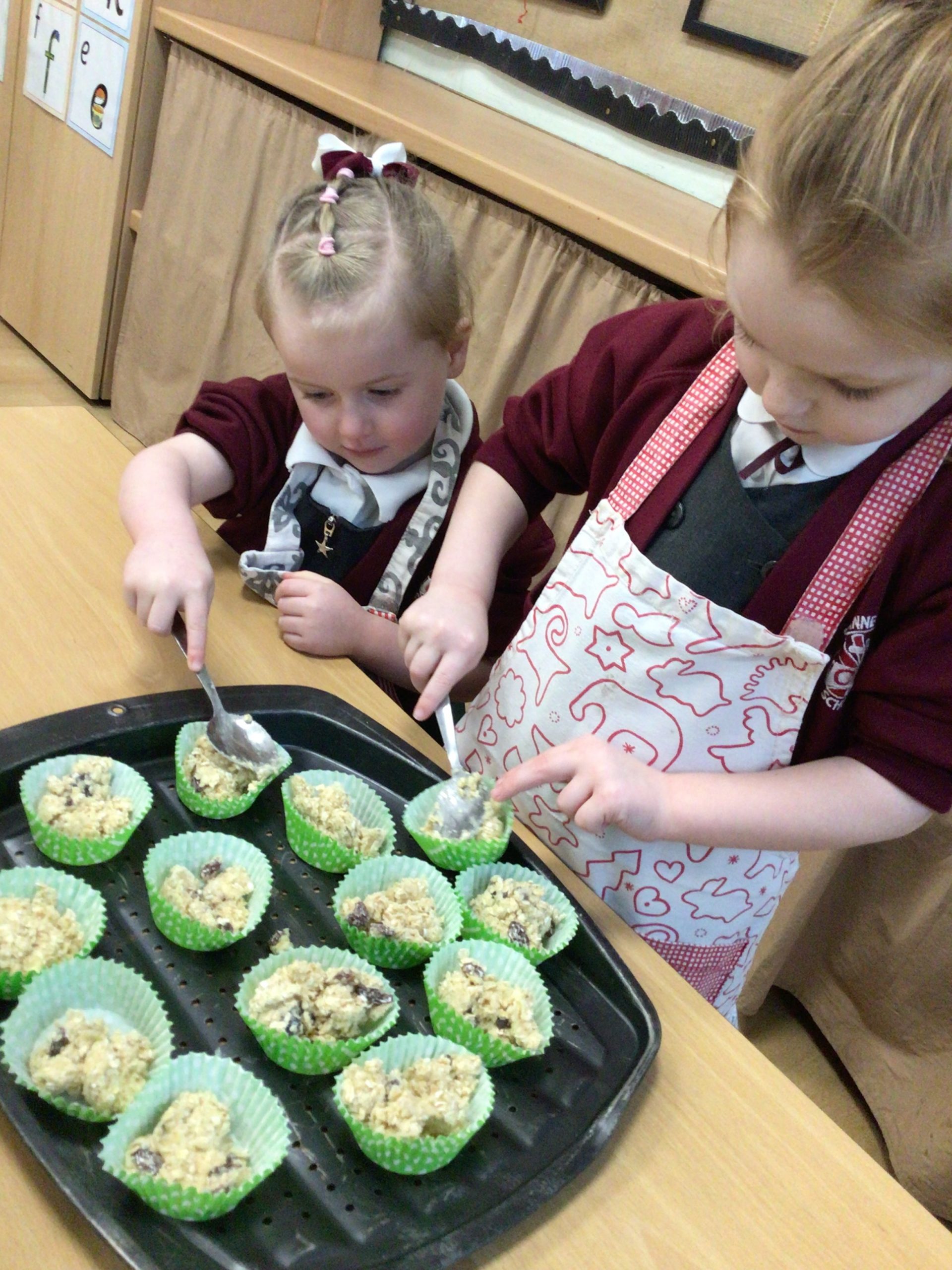
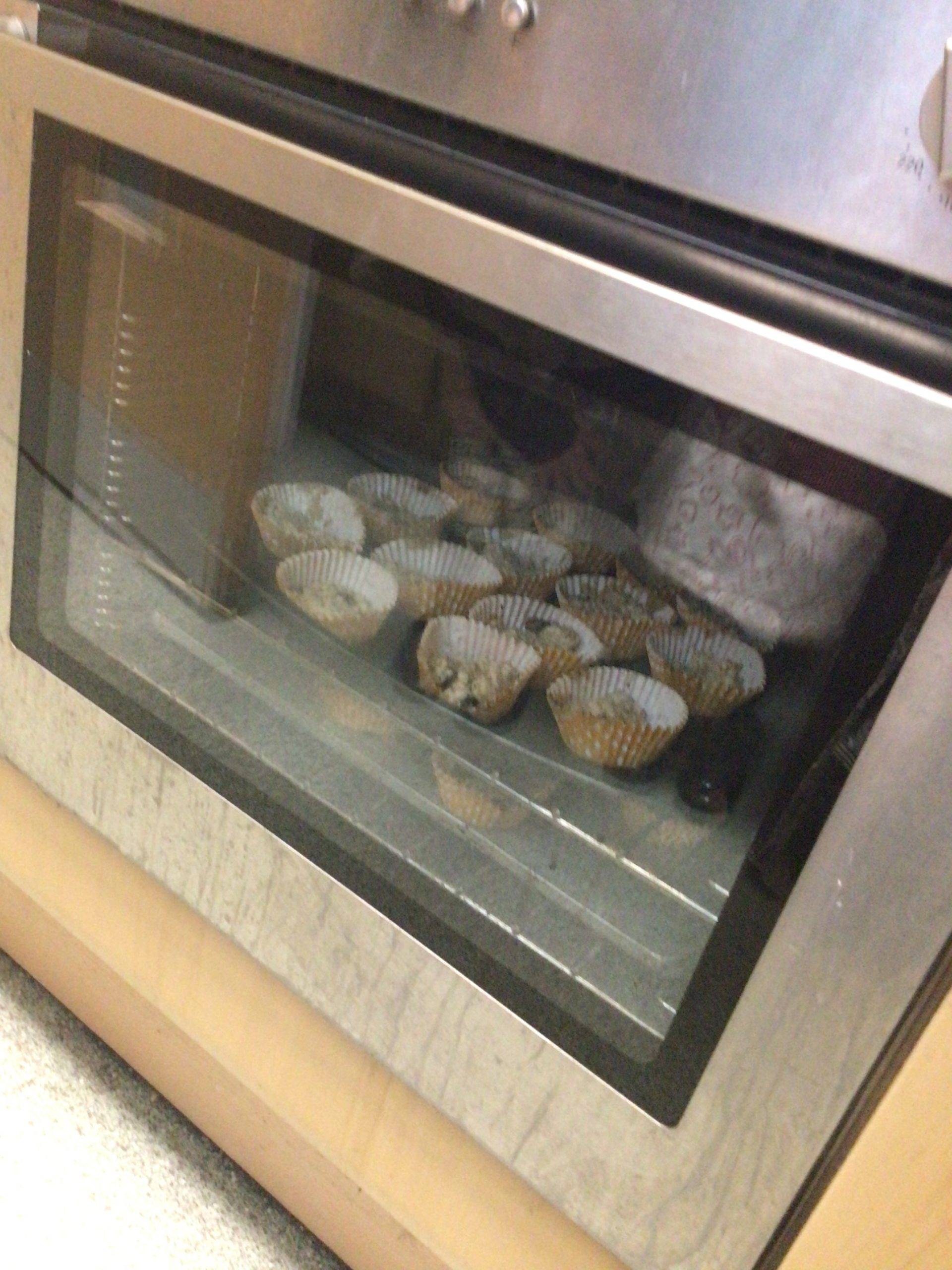
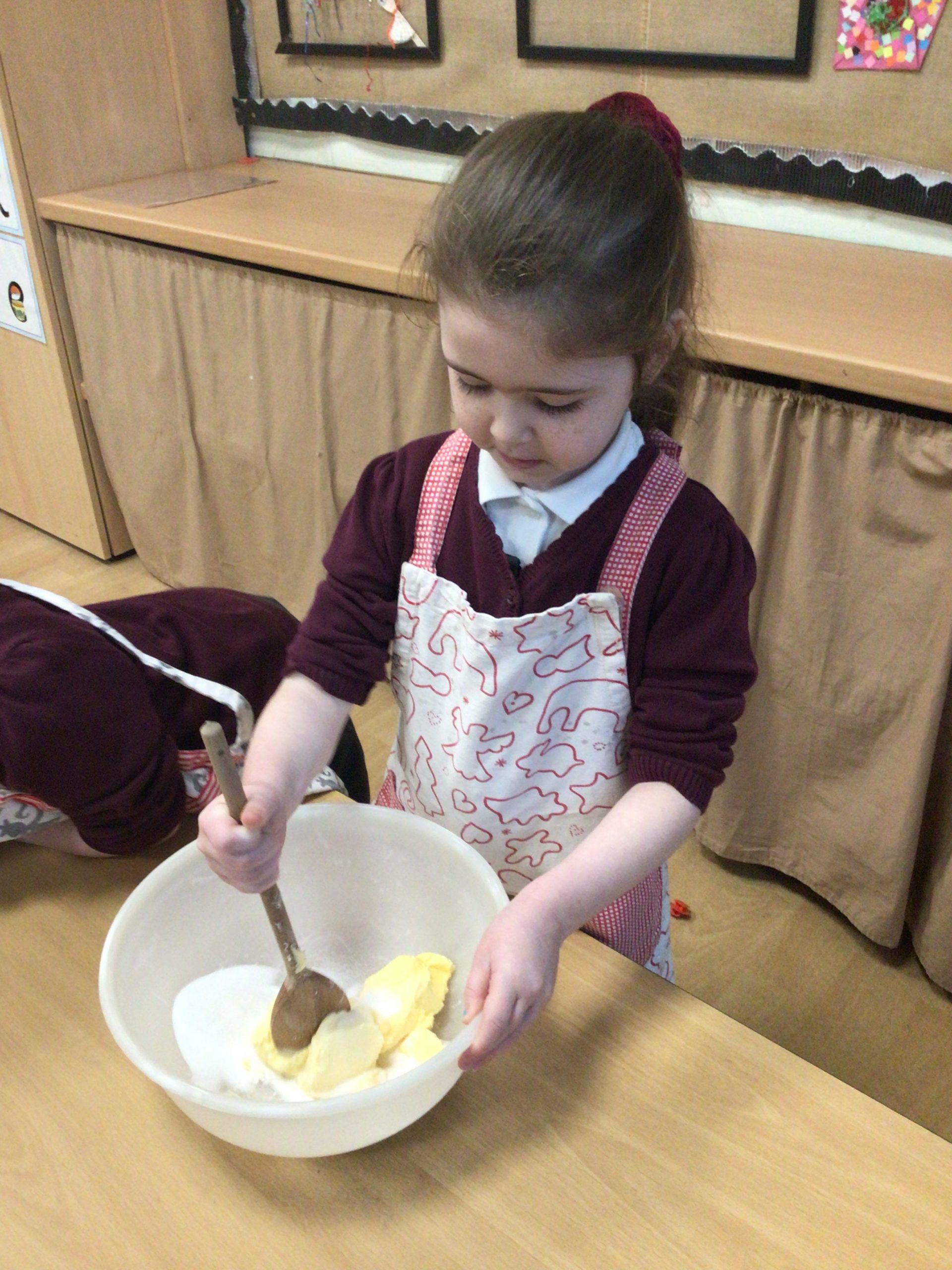
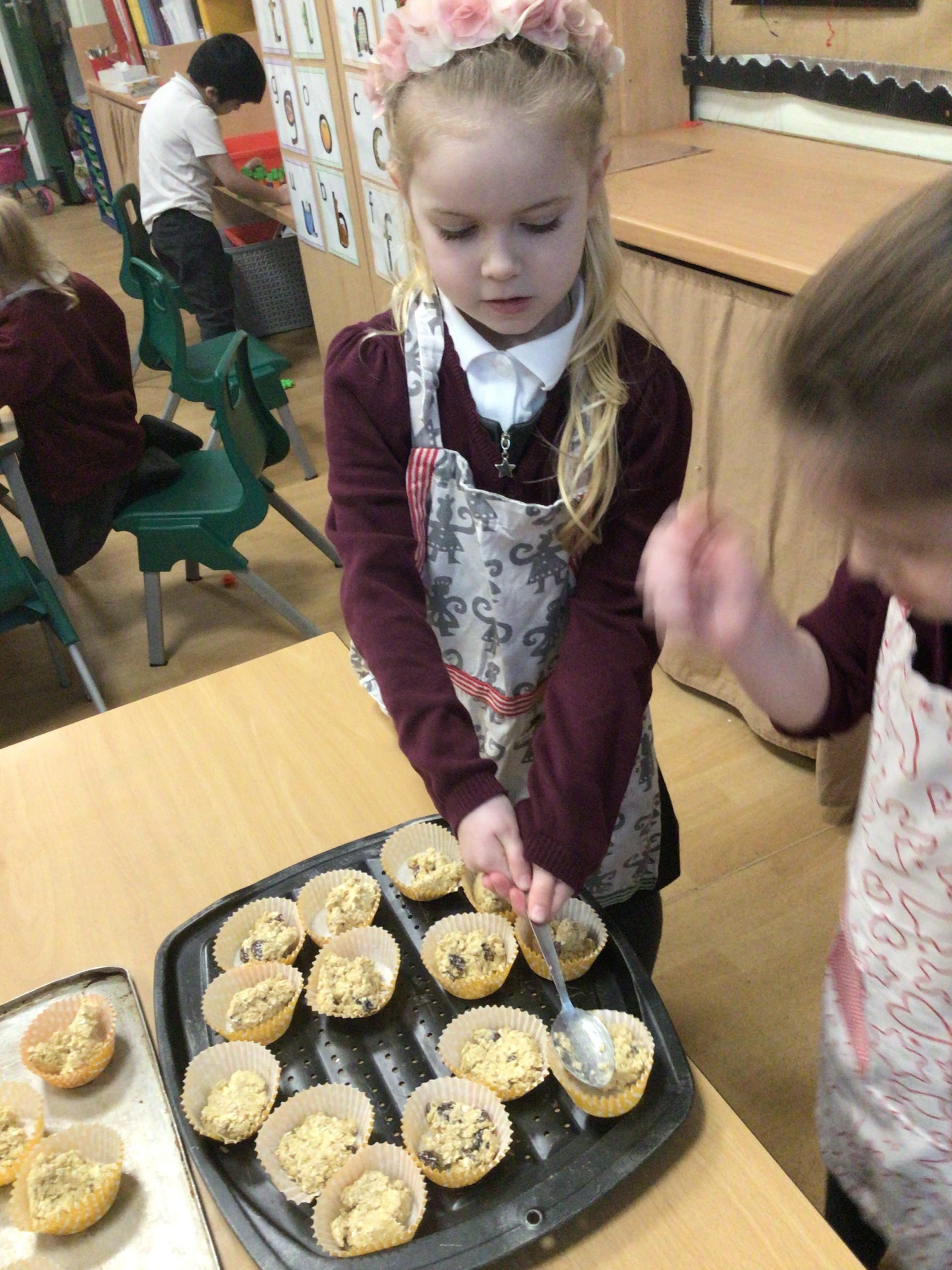
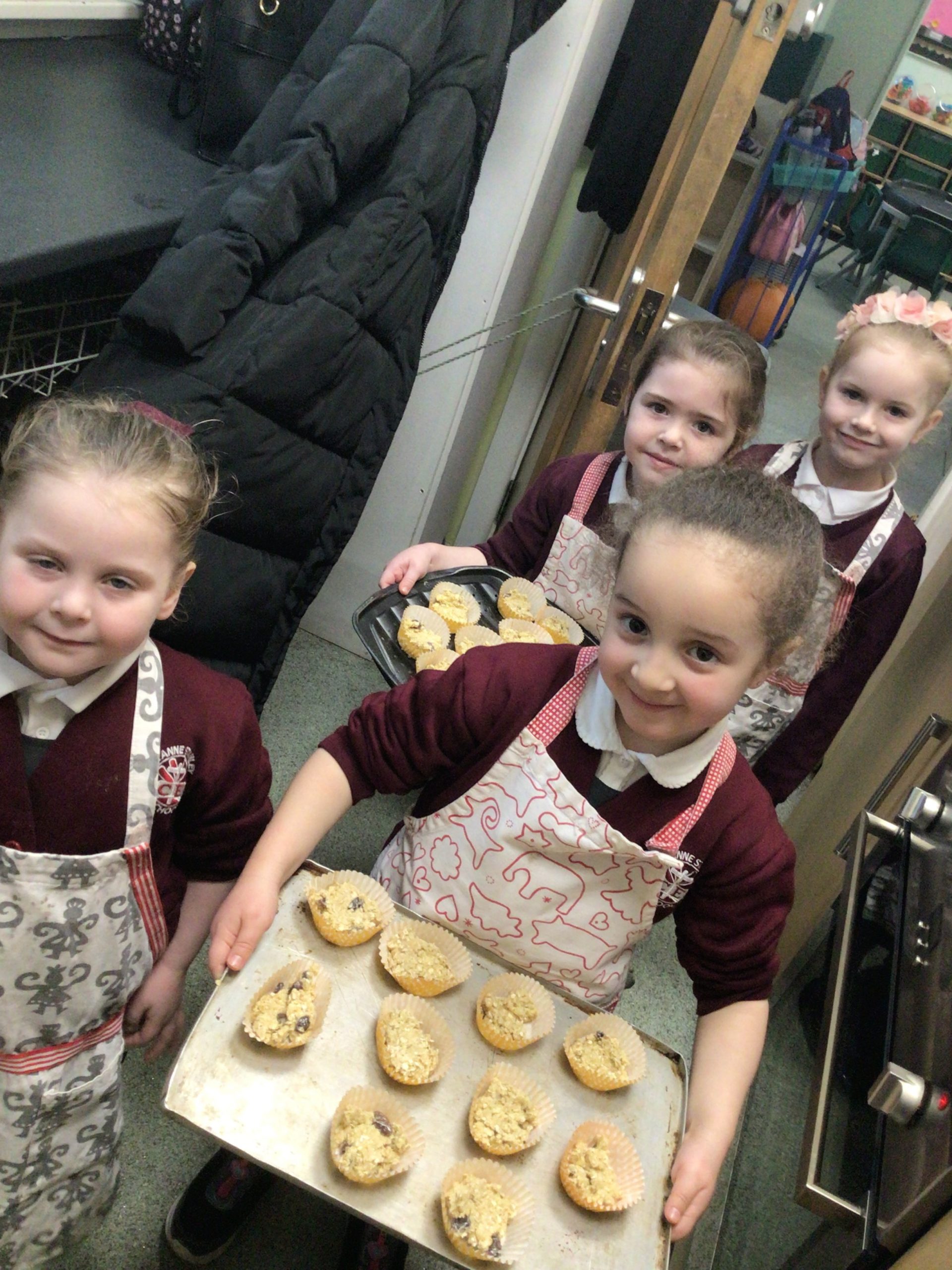
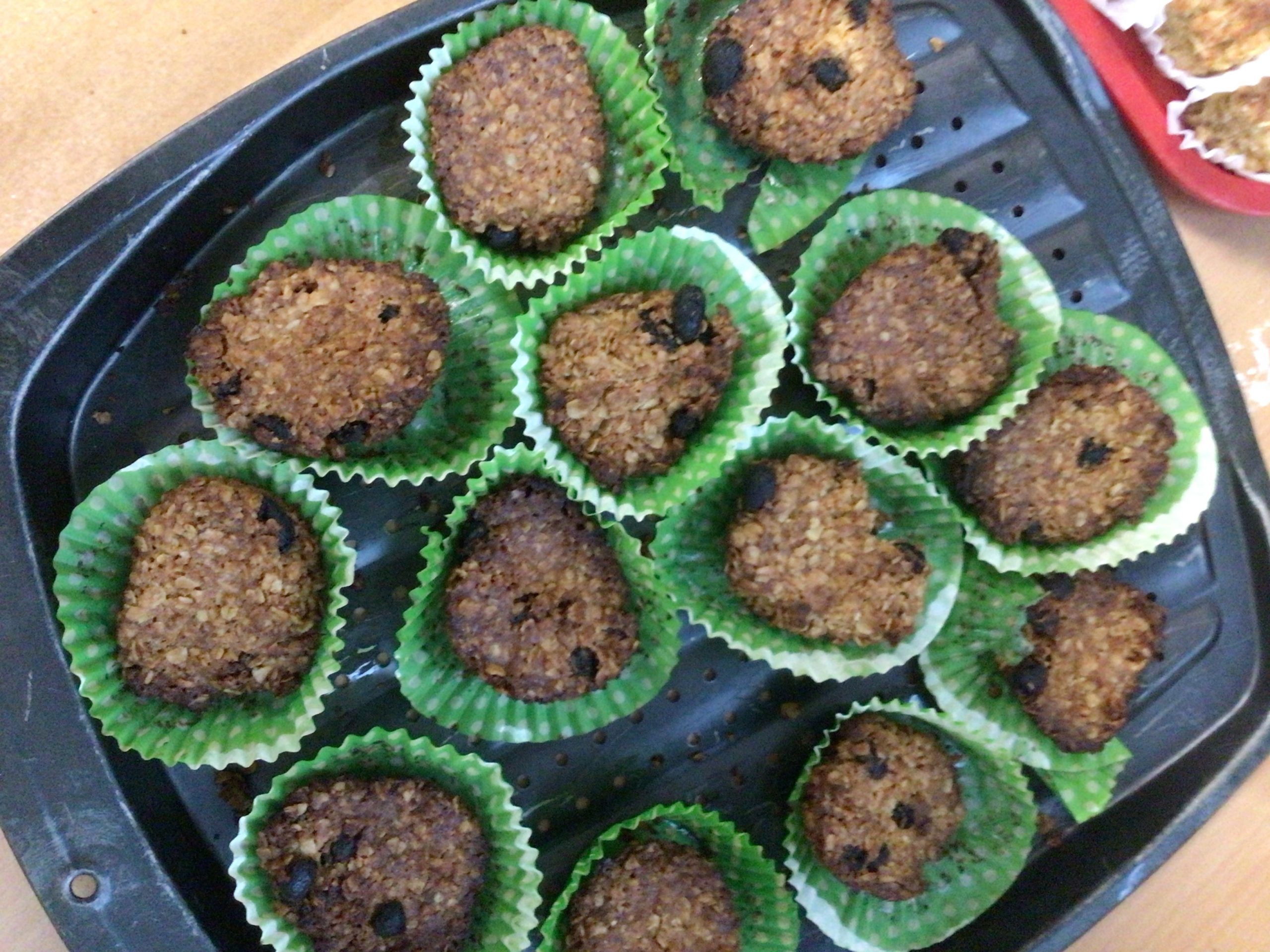
Following an oat cookie recipe then telling our friends how they were made describing the order of doing things and why they are a healthy version of a usual cookie. “We used honey, raisins and oats because they are more healthy than other ingredients.” “We did use butter and sugar but just a small amount.”
 |
 |
 |
 |
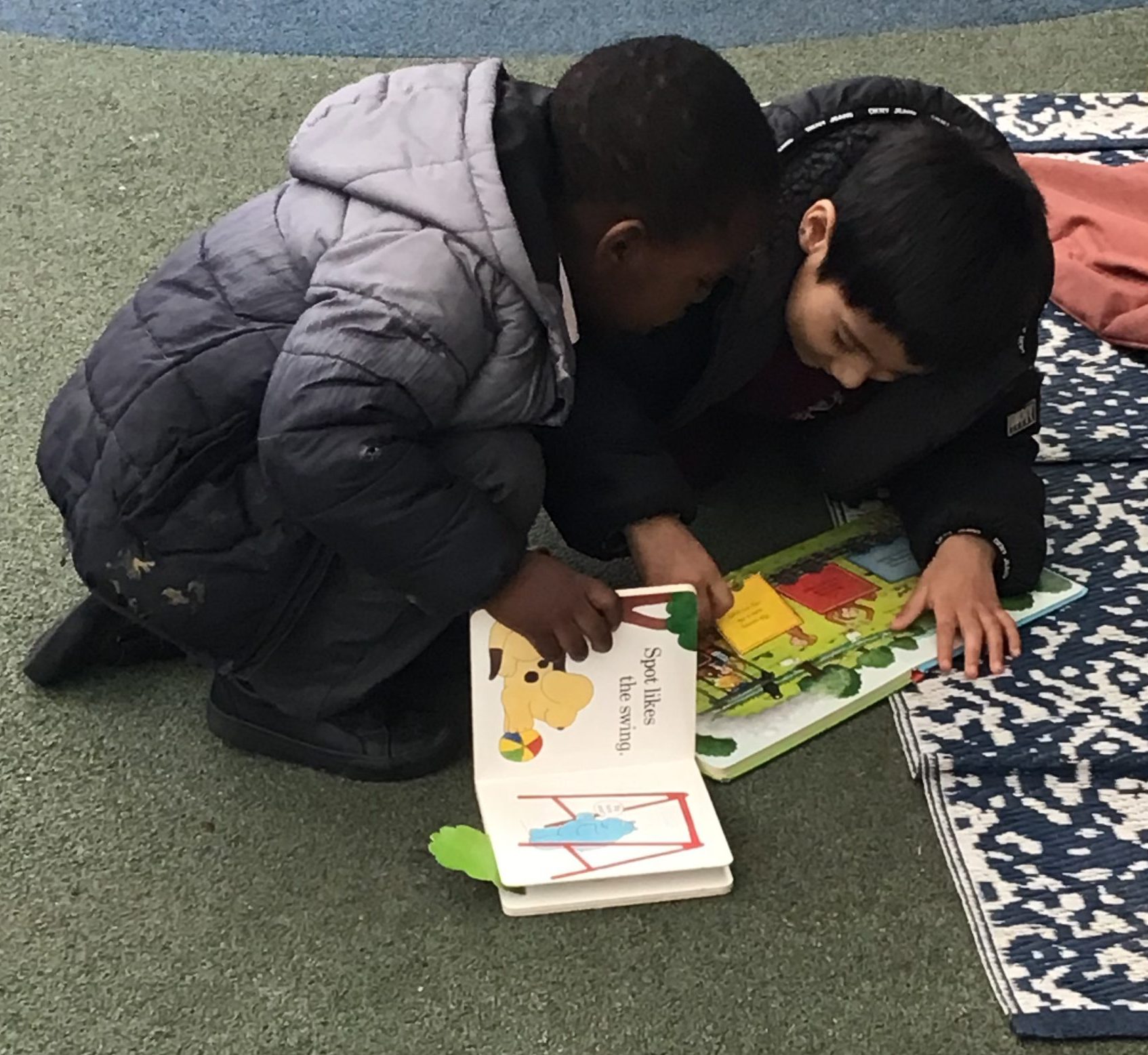
Children “spotted” sharing a book whilst engaging in a back and forth conversation about the book they are “reading”.
 |
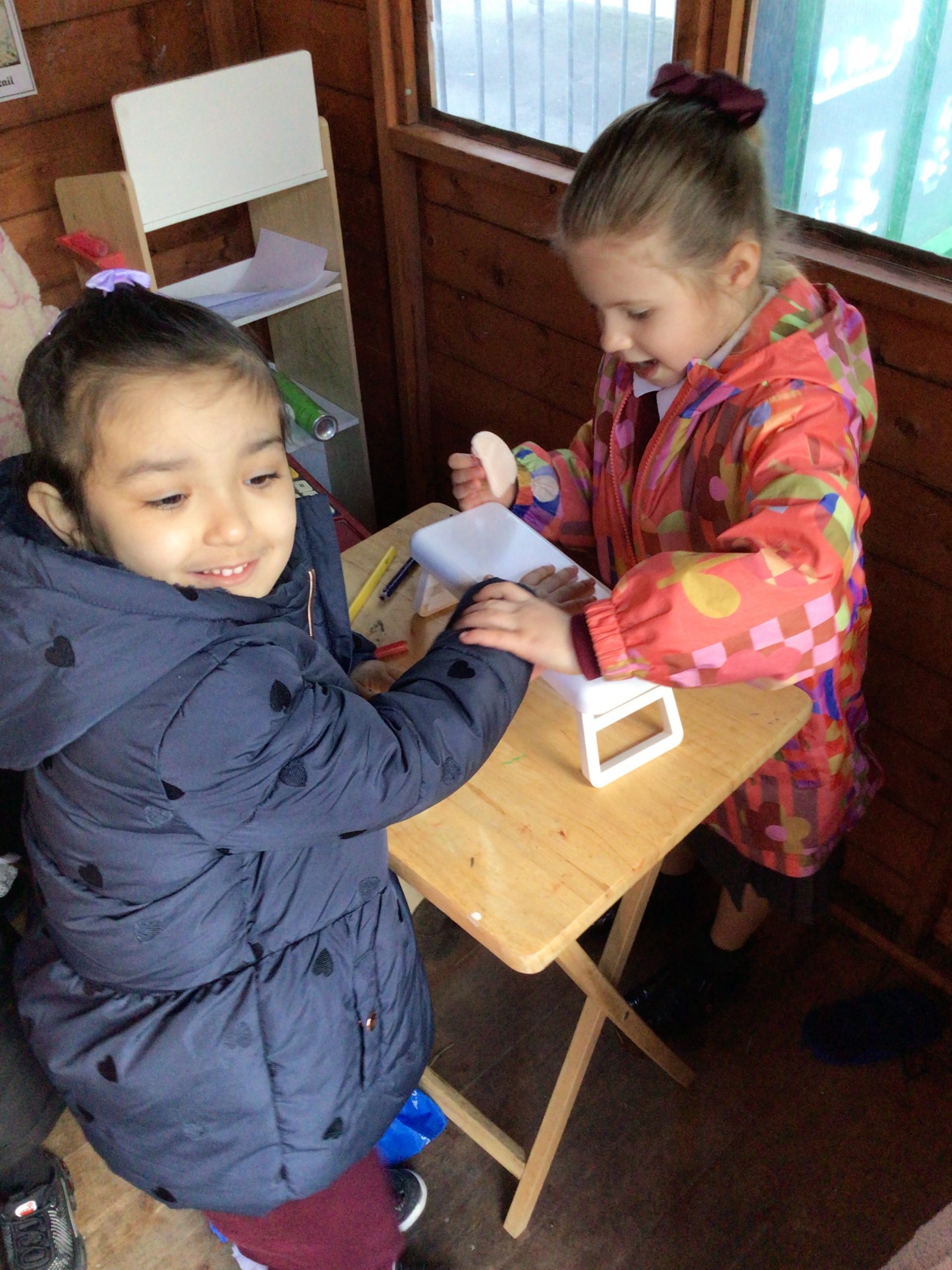
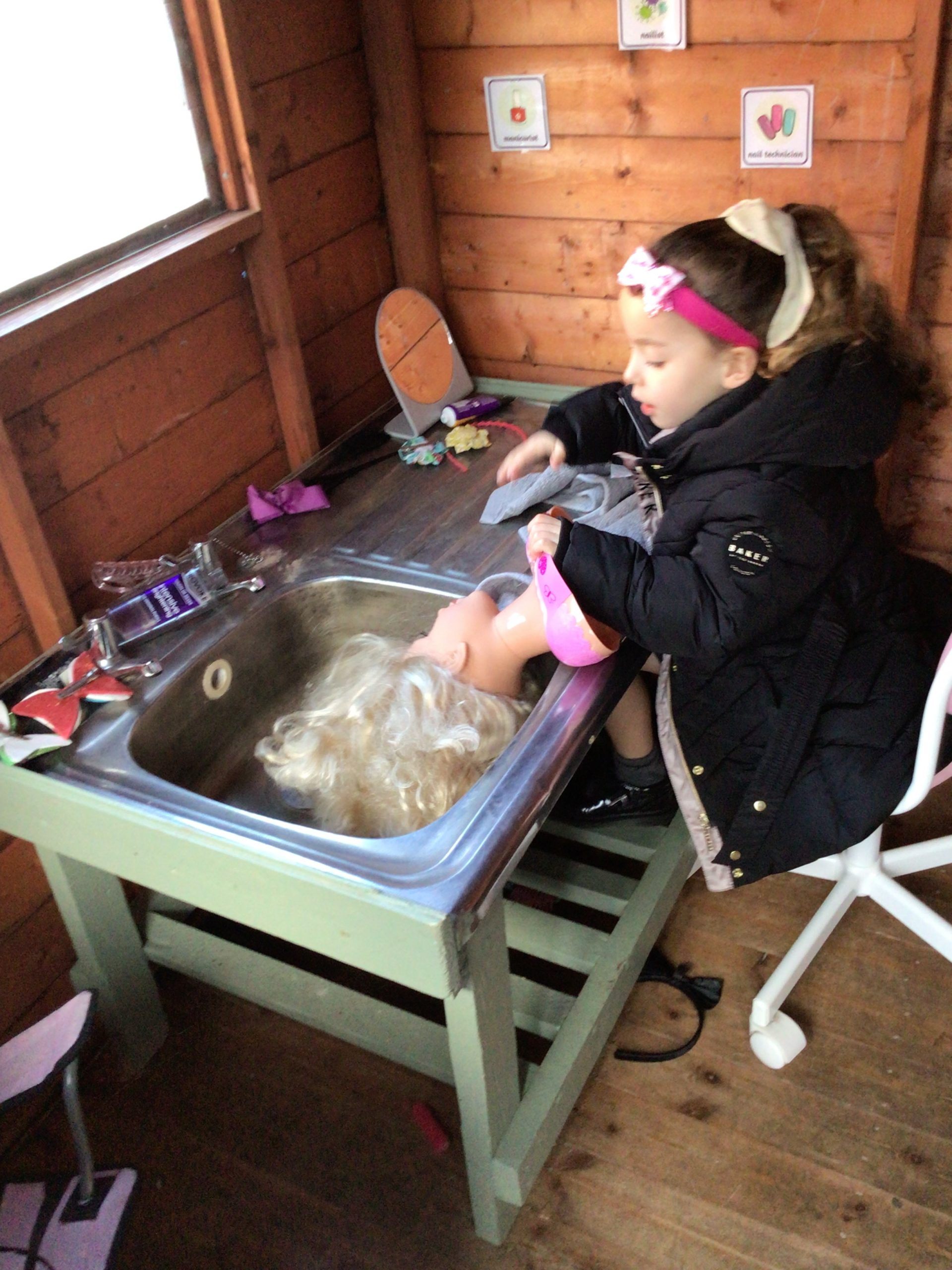
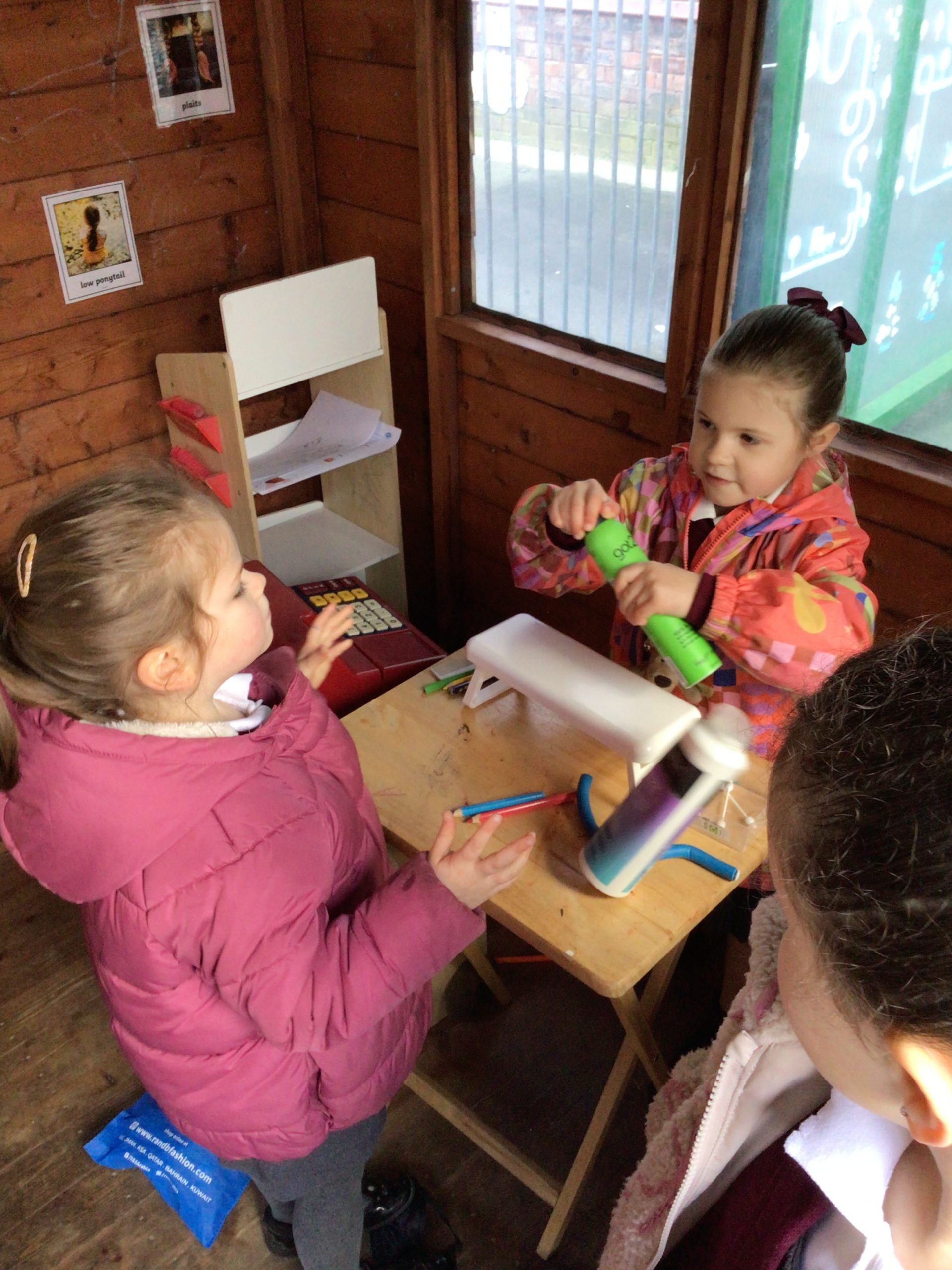
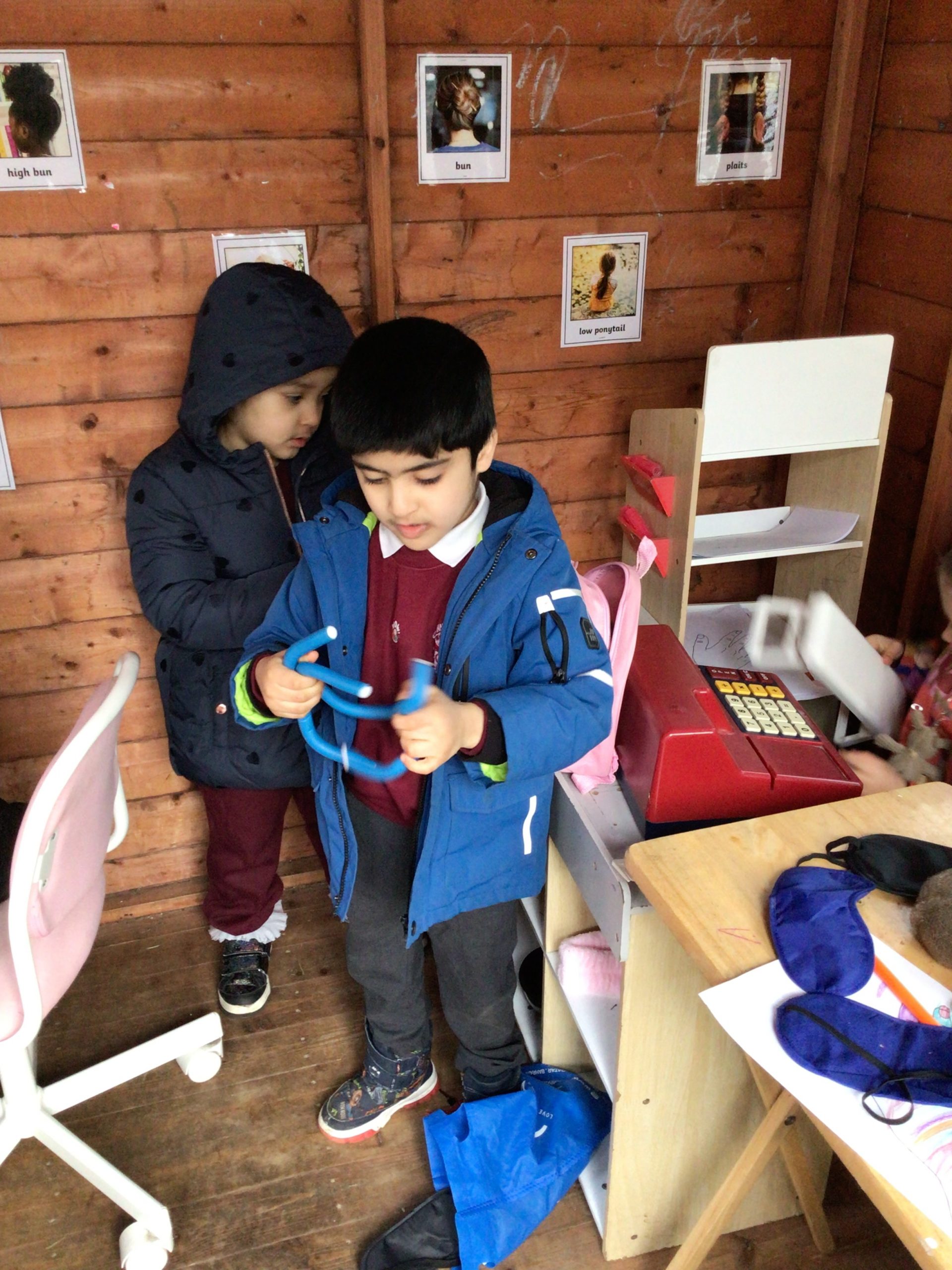
The addition of a change to the outdoor role play area enhances the development of communication and language .
 |
 |
 |
 |
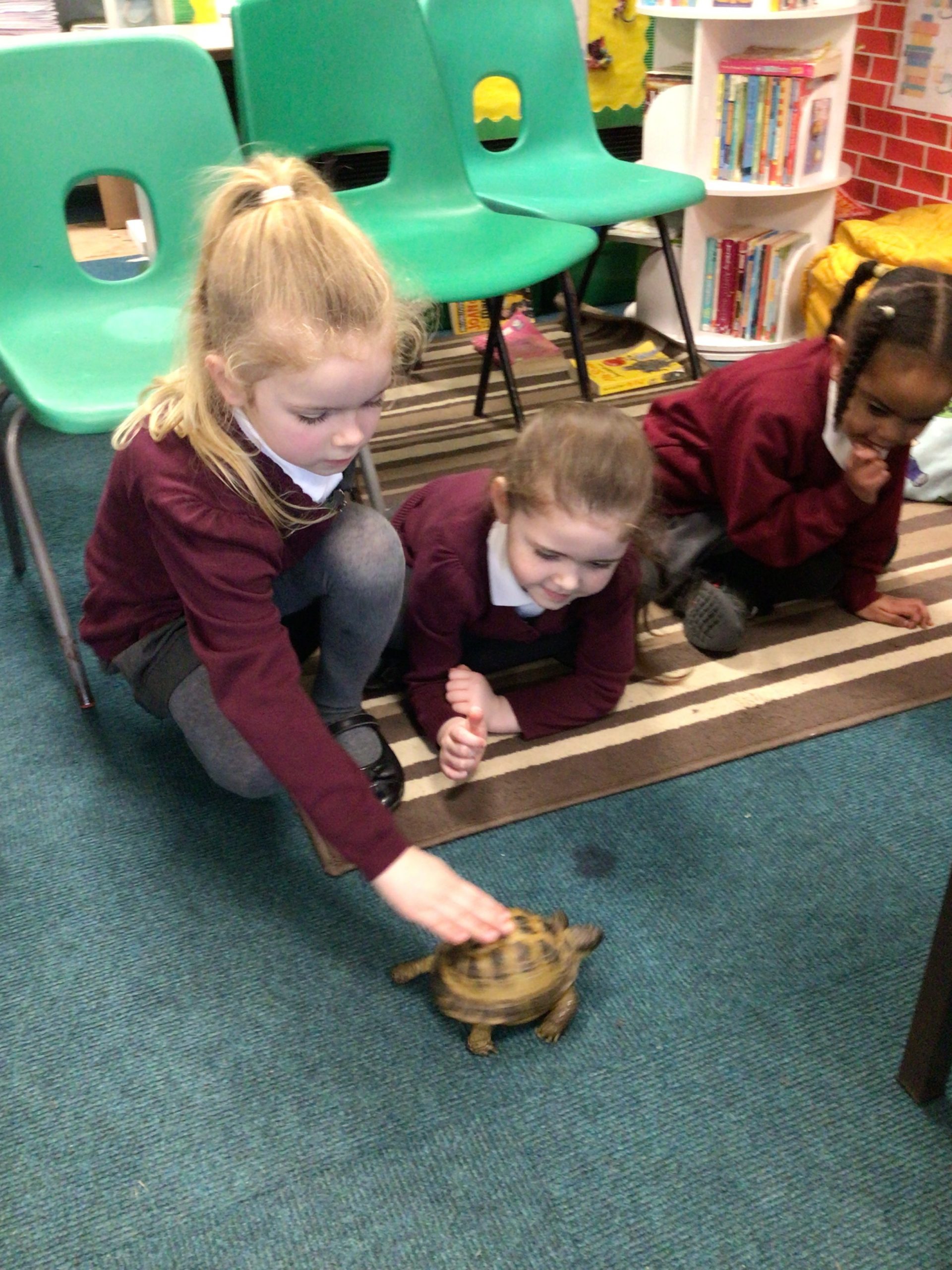
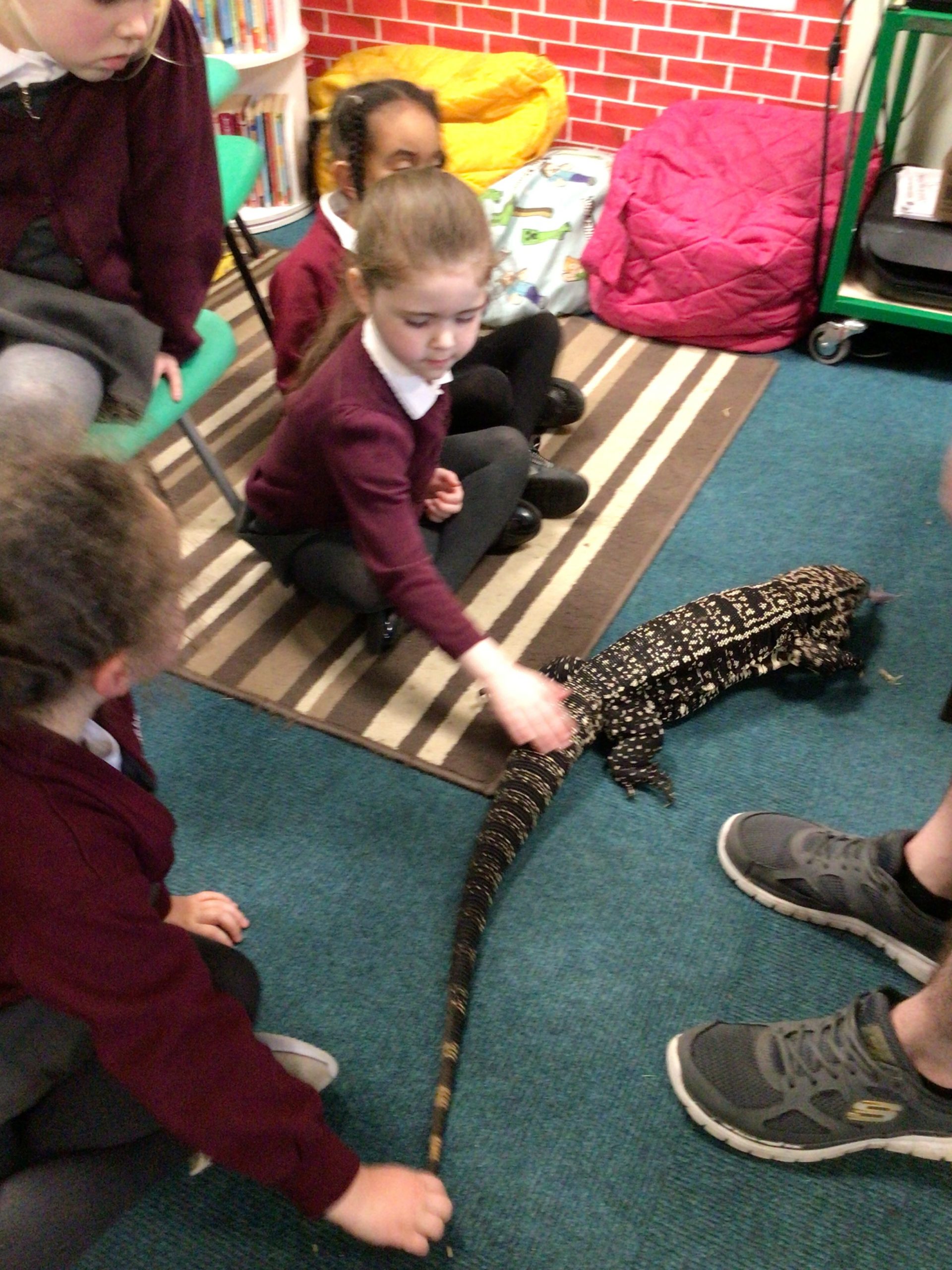
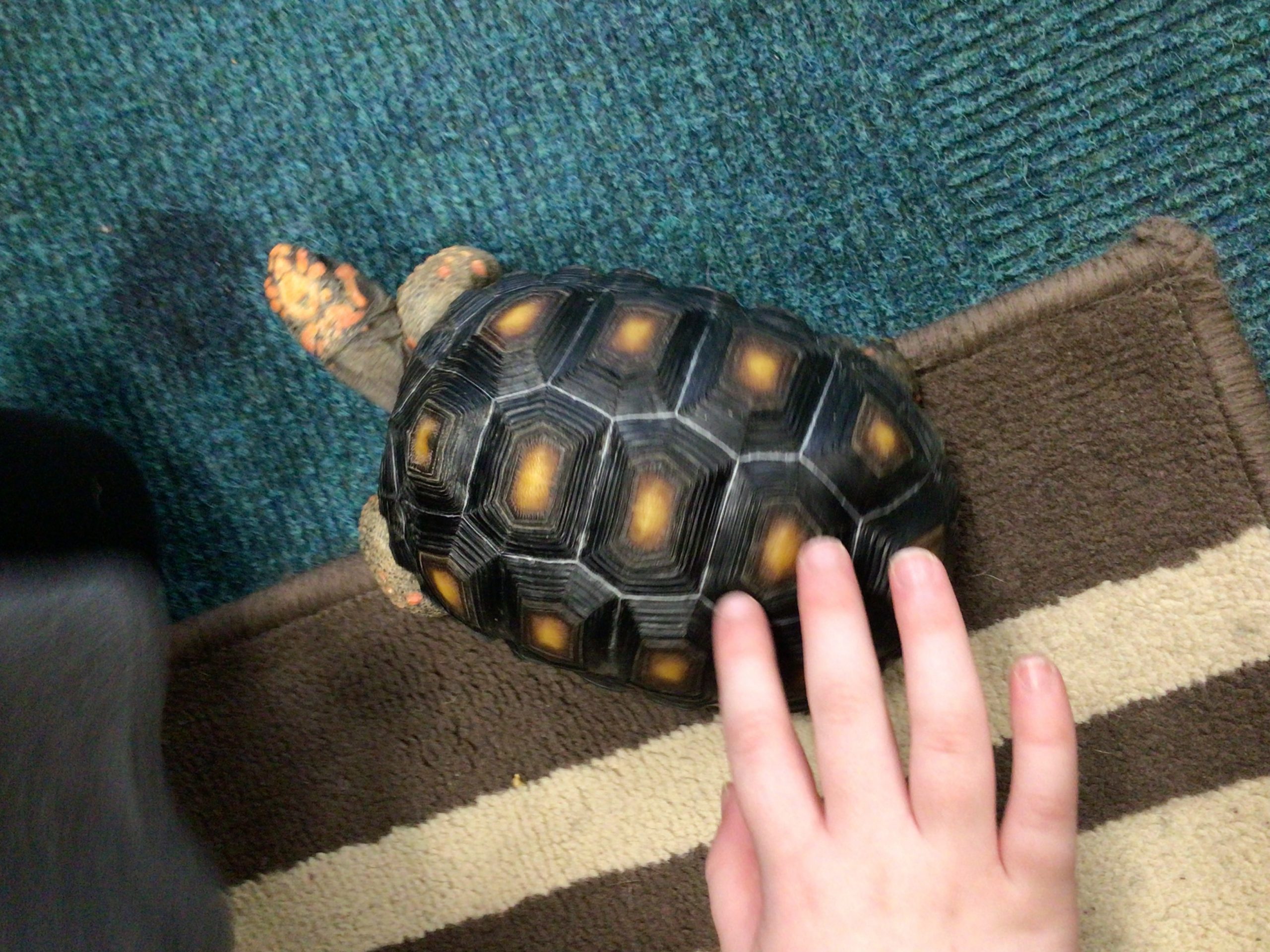
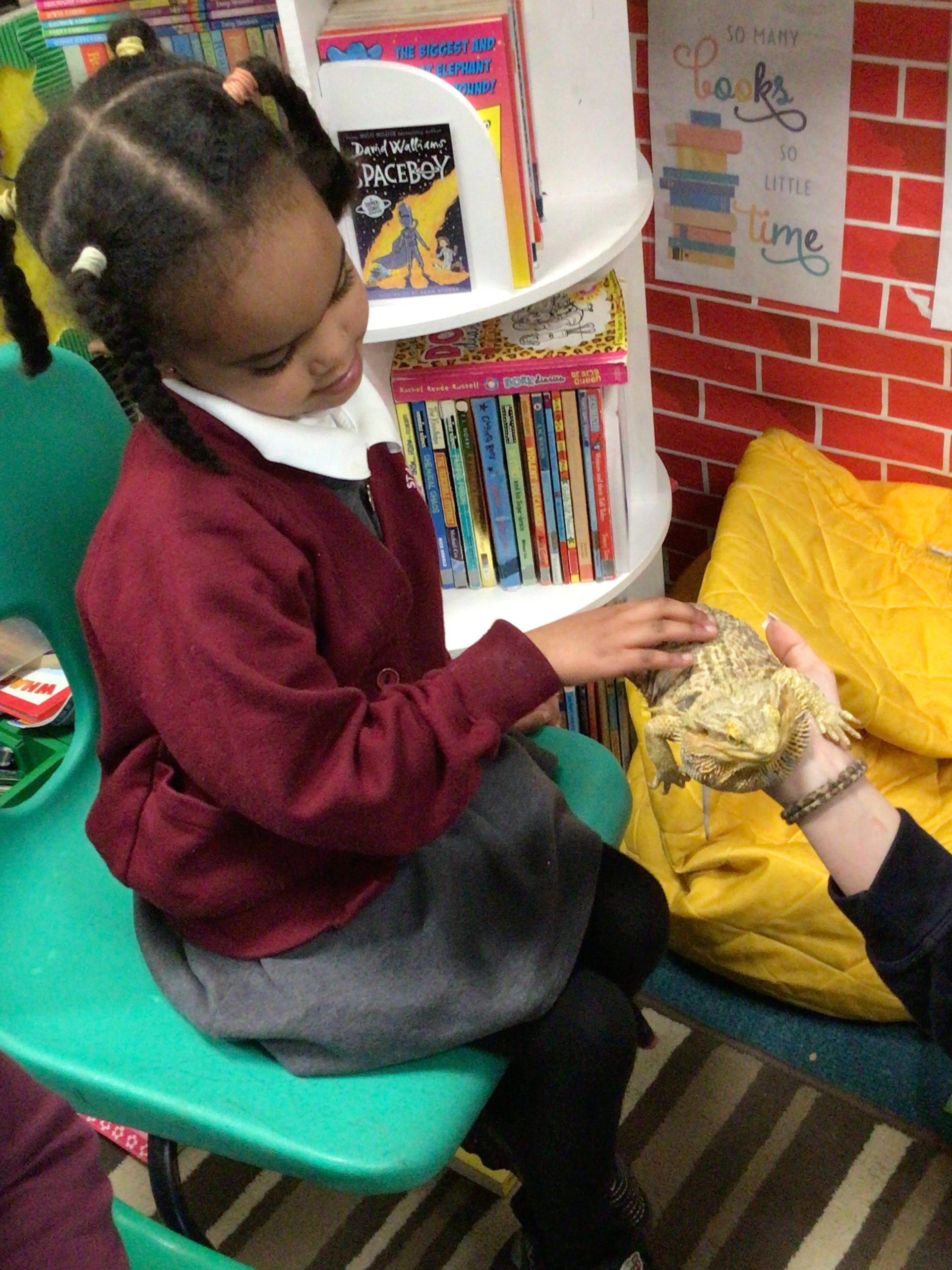
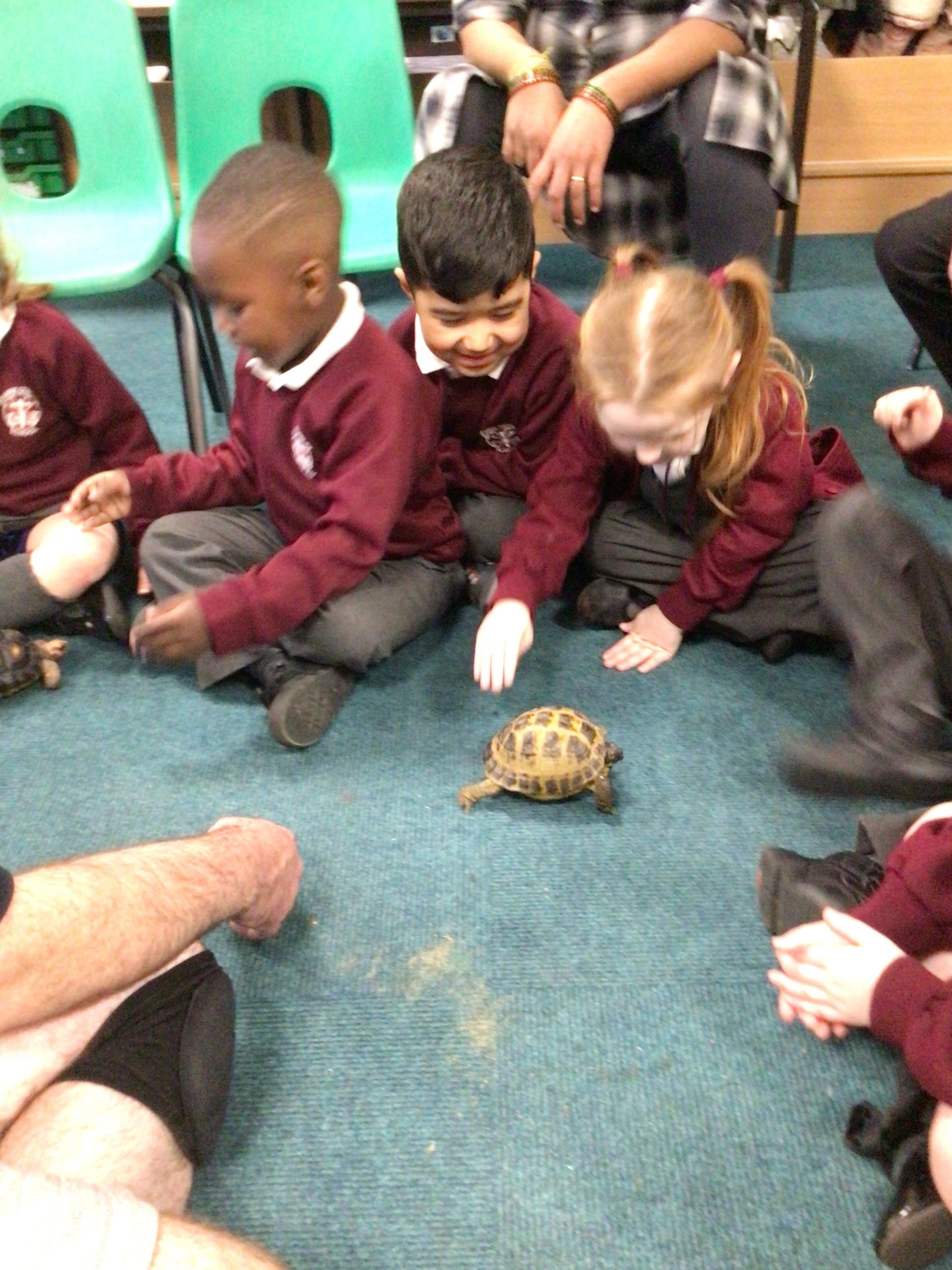
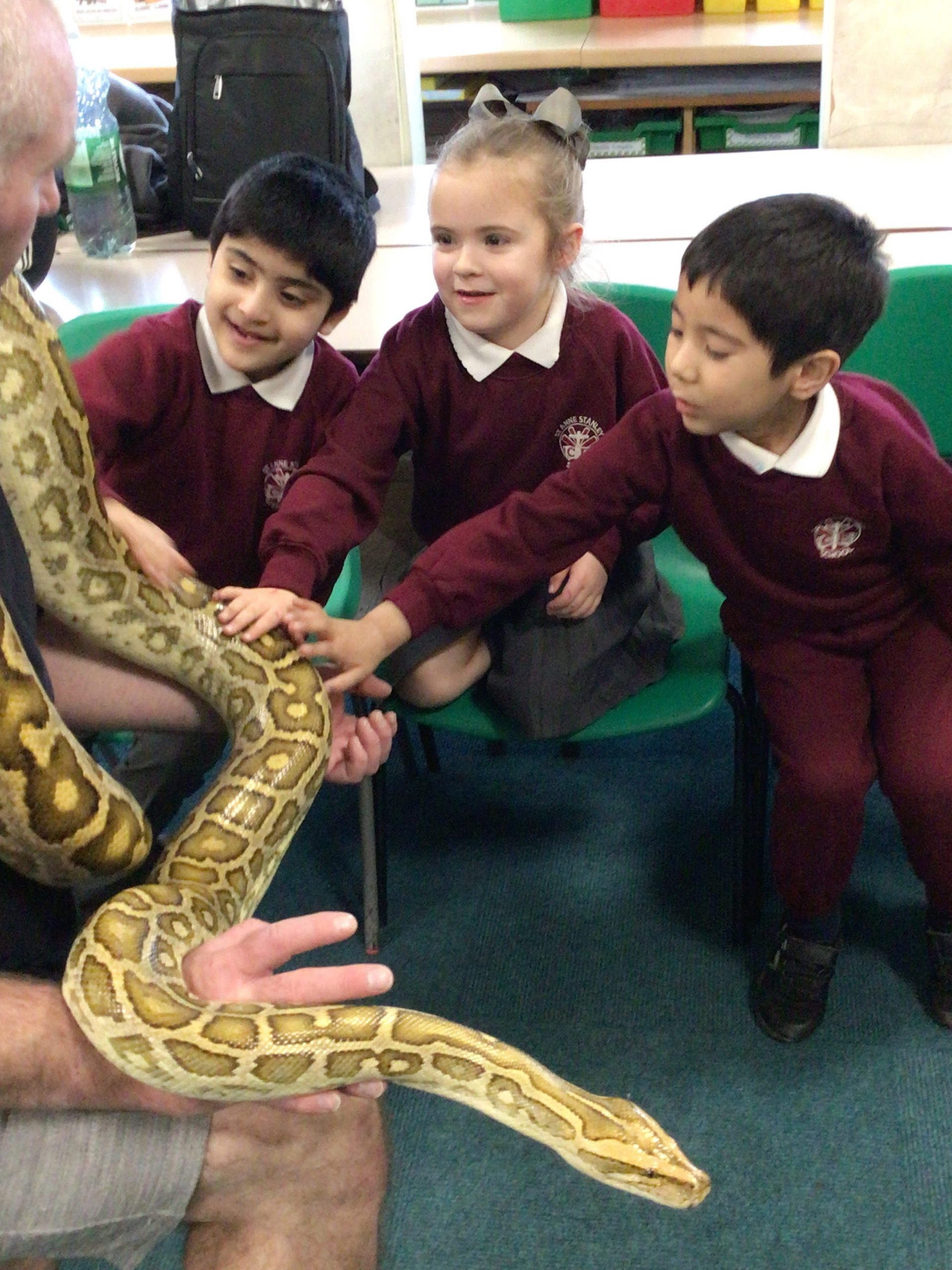
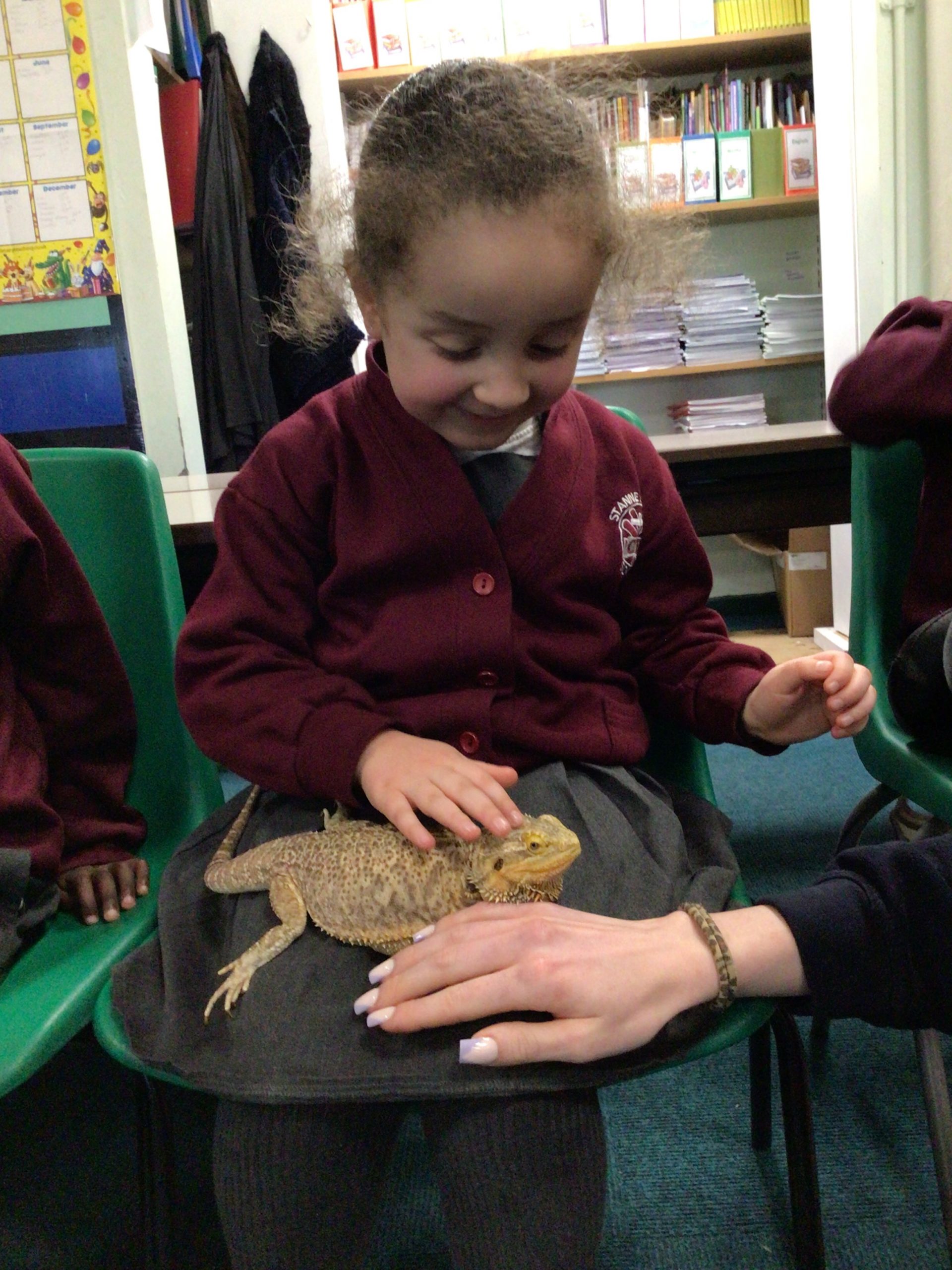
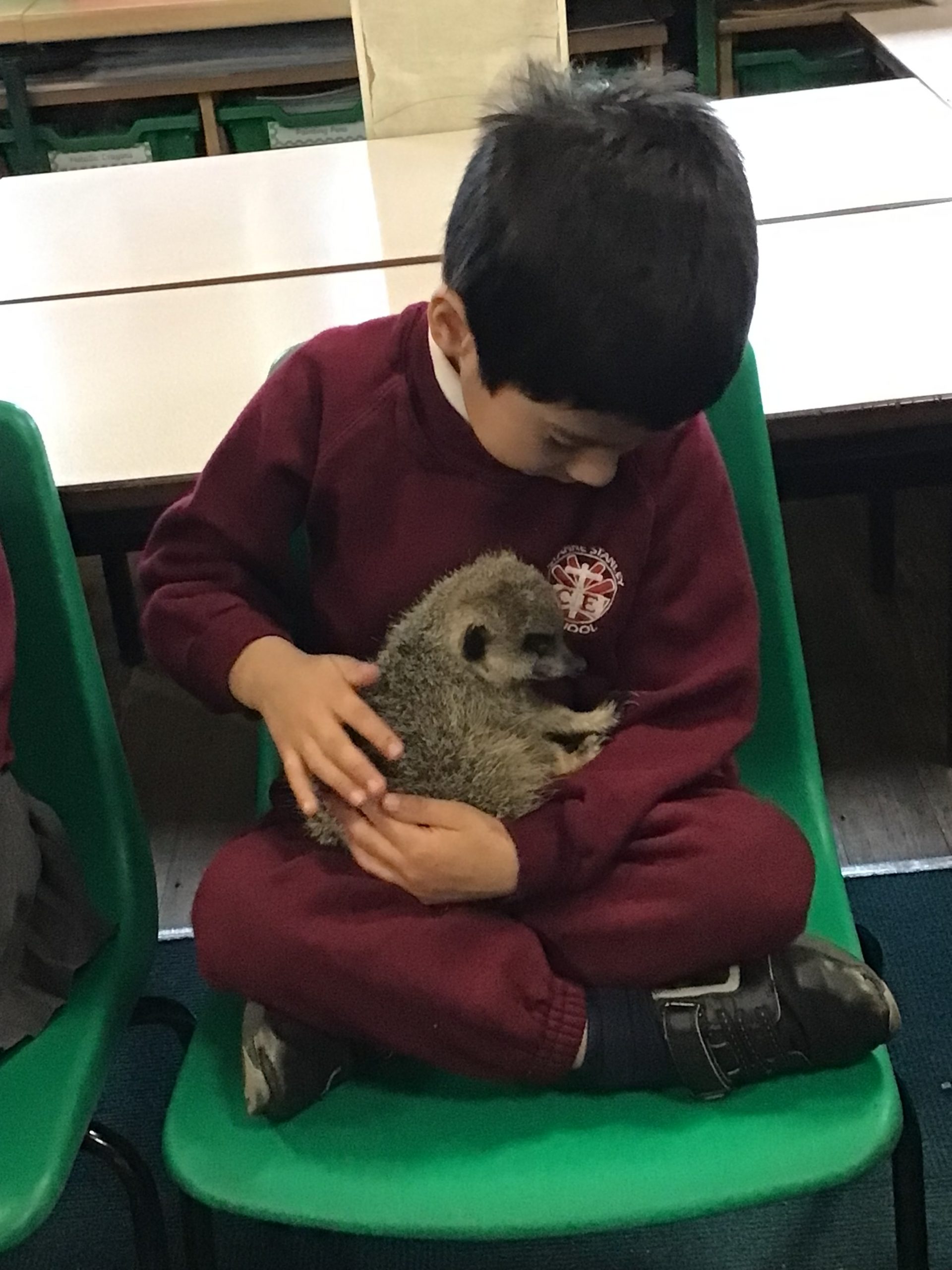
In Science week we were visited by a small zoo. An exciting opportunity to introduce new vocabulary.
 |
 |
 |
 |
 |
 |
 |
 |
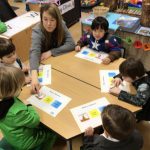
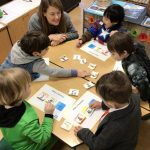
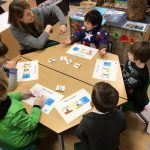
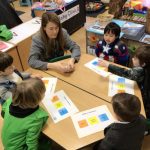
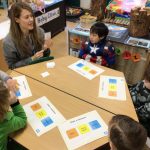
Staff undertook training in Colourful Semantics to support the delivery of this approach across our school, with the aim of promoting children’s language and literacy skills. Colourful Semantics is a structured method that uses colour-coded visuals to break sentences into key parts (such as who, what, and where), helping children to understand and build sentences more effectively. By implementing this approach in the classroom, staff are able to provide consistent, engaging support that develops children’s speaking, understanding, and confidence, laying strong foundations for future language and literacy. Reception benefited from having a colourful semantics session delivered by a speech and language therapist with a specialism in this approach. Staff observed the delivery of the session with a view to promoting high quality delivery of this research-based approach.
Research supports the use of Colourful Semantics as an effective approach for developing children’s expressive and receptive language skills, particularly for those who need additional support with sentence structure. Developed by Speech and Language Therapist Alison Bryan, the approach uses colour-coded visuals to help children understand how sentences are formed and to improve their ability to answer questions and use correct grammar. Studies and case reports in speech and language therapy practice have shown that targeted Colourful Semantics interventions can lead to improvements in children’s understanding of wh-questions, sentence organisation, and confidence when speaking. Because the approach provides clear visual scaffolding and repeated practice, it is widely recommended by speech and language professionals and is commonly used in early years and primary settings to support communication and early literacy development.
Summer Term
Listening, Attention and Understanding
Children in Reception will be learning to:
- Listen to and talk about selected non-fiction to develop a deep familiarity with new knowledge and vocabulary. -Retell the story, once they have developed a deep familiarity with the text, some as exact repetition and some in their own words.
Speaking
Children in Reception will be learning to:
- Use new vocabulary in different contexts.
- Use talk to help work out problems and organise thinking and activities, and to explain how things work and why they might happen
- Articulate their ideas and thoughts in well-formed sentences.